
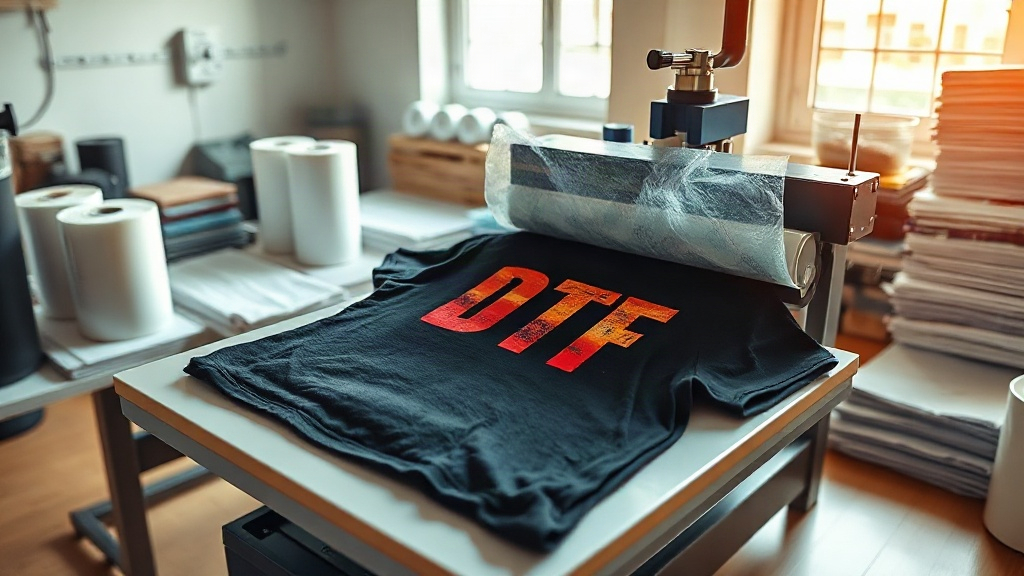
Imagine pressing a button and watching a full-color design materialize onto a T-shirt in minutes, with details so crisp they look painted on. That's the magic of DTF transfers, a technology that's quickly become the go-to for small business owners, crafters, and anyone who wants professional-grade custom apparel without the overhead of traditional printing. Unlike methods that require separate screens or cutting machines, DTF transfers let you print intricate designs onto almost any fabric, from cotton to polyester blends, with remarkable durability. In this guide, we'll walk through everything you need to know: how DTF transfers work, why they're gaining popularity, and how you can use them to elevate your projects.
What Are DTF Transfers?
DTF stands for Direct to Film. It's a printing process where your design is printed onto a special film, coated with a thermoplastic adhesive powder, and then heat-pressed onto the fabric. The result is a vibrant, stretchable, and long-lasting print that bonds seamlessly with the material. Unlike DTG (Direct to Garment) printing, which prints directly onto the shirt, DTF transfers are produced separately and can be stored for later use, making them ideal for on-demand production or small batches.
The magic lies in the adhesive powder. After printing with special DTF inks, the film is dusted with a fine powder that melts under heat, creating a strong bond between the ink and the fabric. This allows DTF transfers to adhere to a wide range of materials, including those that are tricky for other methods, like nylon, leather, and treated polyester. Plus, the prints are incredibly elastic, so they won't crack or peel when the garment stretches.
Why DTF Transfers Are Taking Over the Custom Apparel Market
If you've been in the custom apparel game for a while, you've probably tried heat transfer vinyl (HTV), screen printing, or DTG. Each has its strengths, but DTF transfers are quickly becoming the favorite for several compelling reasons.
- No color limitations: DTF printers use CMYK plus white ink, so you can print photorealistic images, gradients, and fine details without worrying about color matching or separation.
- Works on almost any fabric: Cotton, polyester, blends, even leather and nylon. You're not restricted to 100% cotton like with DTG.
- Durable and stretchy: The prints withstand repeated washing and stretching without fading or cracking.
- Cost-effective for small runs: No setup fees or minimum orders. You can print one or one hundred with the same ease.
- Fast turnaround: Once you have a DTF printer, you can produce transfers in minutes and press them on demand.
These advantages make DTF transfers a game-changer for print shops, side hustles, and even hobbyists who want professional results without a steep learning curve.
How DTF Transfers Work: A Step-by-Step Breakdown
Understanding the process helps you troubleshoot issues and get the best results. Here's what happens from digital file to finished garment.
1. Design Preparation
Start with a high-resolution image. DTF printers can handle intricate details, but garbage in equals garbage out. Ensure your design is in CMYK color mode and at least 300 DPI. Don't forget to mirror the image horizontally before printing, as the film will be flipped when pressed.
2. Printing onto Film
The design is printed onto a special PET film using DTF inks. The printer lays down a layer of white ink first (if needed), followed by CMYK colors. This white layer acts as a base, making colors pop on dark fabrics. The film is then passed through a powder shaker that applies the adhesive powder evenly.
3. Curing the Powder
The powder-coated film goes through a curing oven or heat press to melt the powder. This step is critical: under-curing leads to poor adhesion, while over-curing can ruin the film. Most manufacturers recommend around 160°C (320°F) for 2-3 minutes, but always check your specific powder's specs.
4. Heat Pressing onto Fabric
Once cured, the transfer is ready to apply. Preheat your heat press to 160-170°C (320-340°F) with medium pressure. Place the transfer on the garment, cover with a protective sheet, and press for 10-15 seconds. Let it cool completely before peeling the film. Cold peel gives the best results for DTF transfers.
5. Post-Pressing for Durability
For maximum washability, some experts recommend a second press after peeling, using a protective sheet for another 5-10 seconds. This ensures the adhesive fully penetrates the fabric fibers.
DTF Transfers vs. Other Printing Methods
How do DTF transfers stack up against the competition? Let's compare.
DTF vs. DTG
DTG prints directly onto the garment, which limits you to cotton-rich fabrics and requires pre-treatment. DTF transfers, on the other hand, work on almost any fabric and don't need pre-treatment. DTF also produces more vibrant colors on dark shirts because of the white ink base. However, DTG can be more cost-effective for large runs on light-colored cotton.
DTF vs. HTV
HTV (heat transfer vinyl) is great for simple designs and single-color text, but it can't handle complex gradients or photorealistic images. DTF transfers excel at full-color, detailed artwork. HTV is also limited to fabrics that can withstand the heat, while DTF is more versatile. For multi-color designs, DTF is often faster and cheaper than layering multiple HTV colors.
DTF vs. Screen Printing
Screen printing offers unbeatable durability and cost-efficiency for large orders, but it requires screens for each color, making small runs expensive. DTF transfers have no setup costs and can produce a single shirt at a low price. For orders under 50 pieces, DTF is usually more economical. For thousands of identical shirts, screen printing may still win.
Choosing the Right DTF Supplies
The quality of your DTF transfers depends heavily on the supplies you use. Here's what to look for.
- DTF Ink: Use high-quality DTF inks designed for your printer. Cheap inks can clog printheads and produce dull colors.
- PET Film: Look for double-sided matte film that's compatible with your printer. Thinner films may curl during printing.
- Adhesive Powder: Choose a fine, consistent powder. TPU-based powders are popular for their elasticity and soft feel.
- Heat Press: A reliable heat press with even pressure and accurate temperature control is essential. Clamshell or swing-away models both work.
Investing in good supplies saves you money in the long run by reducing waste and reprints.
Common Mistakes and How to Avoid Them
Even with a solid process, pitfalls exist. Here are frequent issues and their solutions.
Peeling Before Cooling
If you peel the film while it's still hot, the design can stretch or lift. Always wait until it's completely cool to the touch.
Insufficient Pressure
Not enough pressure means the adhesive won't bond properly. Adjust your heat press until you see a slight indentation in the fabric.
Incorrect Temperature
Too hot and the film may melt or the ink may discolor. Too cold and the powder won't activate. Use a temperature gun to verify your press's accuracy.
Poor Ink Coverage
If your prints look faded, you might need to increase the ink density or use a higher white ink setting. Also, ensure your film is clean and free of dust.
Applications and Creative Ideas for DTF Transfers
DTF transfers aren't just for T-shirts. Here are some creative ways to use them:
- Custom tote bags for grocery shopping or promotional giveaways.
- Personalized hoodies and sweatpants for sports teams or family reunions.
- Branded aprons for cafés, bakeries, or cooking classes.
- Pet bandanas and jackets with your furry friend's name.
- Denim jackets with intricate designs that would be impossible with HTV.
The possibilities are endless, and the low setup cost means you can experiment without breaking the bank.
Frequently Asked Questions About DTF Transfers
How long do DTF transfers last?
With proper application and care, DTF transfers can last 50+ washes. To maximize longevity, wash garments inside out in cold water and avoid harsh detergents or bleach. Tumble dry on low or hang dry.
Can I use DTF transfers on dark fabrics?
Absolutely. DTF transfers actually excel on dark fabrics because the white ink base makes colors vibrant. You don't need special treatment; just press as usual.
Do I need a special printer for DTF transfers?
Yes, you need a DTF printer that uses DTF inks and has a white ink channel. However, you can also buy pre-printed DTF transfers from suppliers if you don't want to invest in a printer.
What's the difference between DTF and DTG?
DTF (Direct to Film) involves printing onto a film and then transferring to the garment, while DTG (Direct to Garment) prints directly onto the fabric. DTF works on more fabrics and produces more vibrant colors on dark items, but DTG can be more cost-effective for large cotton orders.
Can I stretch DTF transfers without cracking?
Yes, DTF transfers are known for their elasticity. The TPU adhesive powder allows the print to stretch with the fabric without cracking or peeling, making them ideal for athletic wear.
Whether you're a small business owner looking to offer custom apparel or a DIY enthusiast wanting to create unique gifts, mastering DTF transfers opens up a world of possibilities. With the right supplies and a bit of practice, you can produce professional-quality prints that impress and last.