
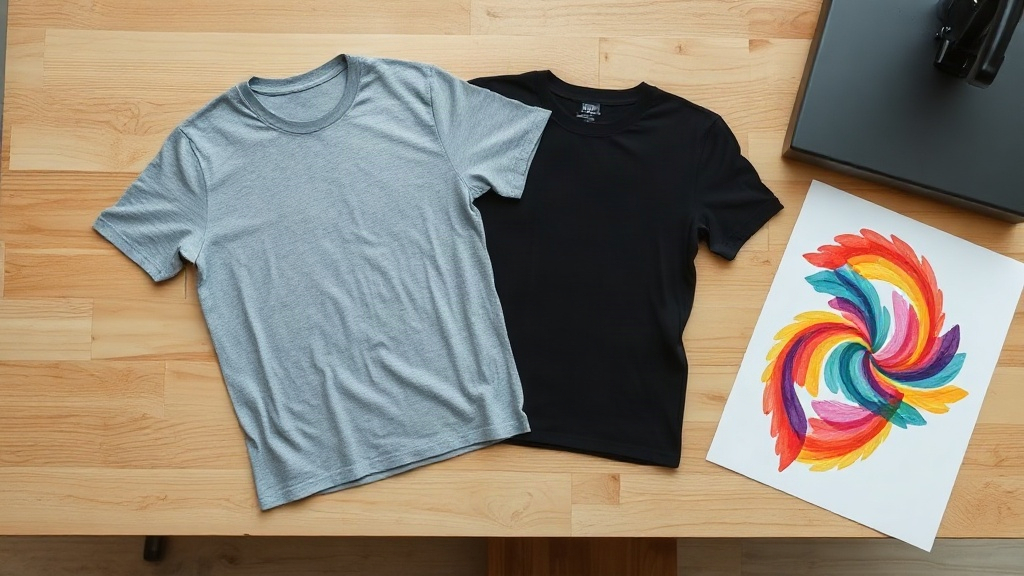
When you're creating custom apparel with DTF transfers, the blank you choose can make or break the final product. Two popular options among crafters and small business owners are smart blanks and shaka wear. Both offer unique advantages, but they cater to different needs. In this article, we'll dive deep into the features of each, compare their performance with dtf transfers, and help you decide which one suits your projects best.
What Are Smart Blanks?
Smart blanks are a line of blank apparel designed with the modern decorator in mind. They often feature a blend of cotton and polyester, providing a soft hand feel and excellent drape. Many smart blanks are pre-shrunk and have a smooth surface, which is ideal for printing. They come in a variety of styles, including t-shirts, hoodies, and tank tops, and are known for their consistent sizing and quality control. For those using dtf transfers, smart blanks offer a reliable canvas that holds ink well and resists cracking.
What Is Shaka Wear?
Shaka wear is a brand that has gained a loyal following for its heavyweight, durable garments. Their t-shirts, in particular, are celebrated for their thick cotton fabric and structured fit. Shaka wear is often chosen for streetwear and workwear because of its longevity and ability to withstand frequent washing. When it comes to dtf transfers, shaka wear provides a sturdy base that can handle detailed designs, though the heavier fabric may require some adjustments in pressing.
Key Differences Between Smart Blanks and Shaka Wear
Fabric and Feel
The most noticeable difference is in the fabric. Smart blanks typically use a cotton-poly blend that feels soft and lightweight. This makes them comfortable for everyday wear and ideal for designs that need a smooth, even surface. Shaka wear, on the other hand, often uses 100% heavyweight cotton, giving a more substantial, rigid feel. If you prefer a broken-in, vintage vibe, smart blanks might be your pick. If you want a tee that feels like armor, shaka wear is the way to go.
Printability with DTF Transfers
Both blanks work well with dtf transfers, but there are nuances. Smart blanks' smooth surface allows for excellent adhesion and vibrant colors. The poly content helps the transfer bond seamlessly, reducing the risk of peeling. Shaka wear's heavy cotton can be a bit more challenging; the texture may require higher pressure and temperature to ensure the transfer sticks. However, once applied correctly, the design on shaka wear tends to be very durable due to the thick fabric.
Durability and Washability
In terms of longevity, shaka wear often outlasts lighter blanks. Their heavyweight cotton resists shrinking and distortion, maintaining shape after many washes. Smart blanks are no slouch either; they hold up well if cared for properly, but may show more wear over time. For items that will be worn regularly and washed frequently, shaka wear is a robust choice. For promotional tees or fashion pieces with a shorter lifecycle, smart blanks are cost-effective and still deliver good durability.
Sizing and Fit
Fit is subjective, but there are general trends. Smart blanks tend to have a modern, slightly tapered fit that appeals to a younger demographic. Shaka wear offers a more classic, boxy cut, which is popular in streetwear and among those who prefer a relaxed look. Always check size charts, as both brands may vary. If you're selling online, offering a detailed size guide with measurements can reduce returns.
Price and Availability
Budget-wise, smart blanks are often more affordable, making them great for high-volume orders or testing new designs. Shaka wear sits at a slightly higher price point due to its premium materials and construction. Availability can fluctuate, so it's wise to stock up when you find a good deal. Both brands are widely available through distributors and online retailers.
Which Blank Should You Choose for DTF Transfers?
Your choice depends on your target market and the purpose of the apparel. Here are some scenarios:
- For soft, lightweight tees: Go with smart blanks. They're comfortable, take transfers beautifully, and are budget-friendly.
- For rugged, long-lasting wear: Choose shaka wear. Their heavyweight cotton stands up to heavy use and repeated washes.
- For vibrant, detailed designs: Smart blanks' smooth surface can make colors pop, while shaka wear's texture might slightly subdue fine details.
- For streetwear or workwear: Shaka wear's boxy fit and durability align well with these styles.
- For eco-conscious buyers: Check if either brand offers organic or recycled options; smart blanks sometimes have eco-friendly lines.
Tips for Applying DTF Transfers on Both Blanks
To get the best results, follow these guidelines:
- Pre-press the garment: This removes moisture and wrinkles, ensuring a smooth surface.
- Use the right temperature and pressure: Typically, 300-325°F for 10-15 seconds with medium-heavy pressure. Adjust for fabric weight.
- Peel carefully: Wait for the transfer to cool completely before peeling (cold peel) or peel hot if the transfer instructions specify.
- Post-press: A quick second press with a cover sheet can improve adhesion and durability.
- Wash inside out: Advise customers to wash inside out in cold water and tumble dry low to extend the life of the print.
Frequently Asked Questions
Can I use DTF transfers on both smart blanks and shaka wear?
Yes, both blanks are compatible with DTF transfers. However, due to differences in fabric weight and texture, you may need to adjust your pressing settings. Smart blanks generally require less pressure, while shaka wear may need higher pressure and slightly longer pressing time.
Which blank is better for athletic or performance wear?
Smart blanks often offer moisture-wicking blends that are suitable for athletic wear. Shaka wear is more focused on heavyweight cotton, which is not ideal for performance activities. For sportswear, look for smart blanks' performance lines.
Do DTF transfers crack or fade on shaka wear?
When applied correctly, DTF transfers are durable on shaka wear. The thick cotton can cause slight texture show-through, but the print itself resists cracking and fading if washed properly. Always follow care instructions.
Are smart blanks true to size?
Smart blanks generally run true to size, but fits can vary by style. It's always best to consult the specific size chart for the product you're using. Some customers may prefer to size up for a looser fit.
Where can I buy smart blanks and shaka wear?
Both brands are available through various online retailers and wholesale distributors. For the best selection and pricing, check specialized blank apparel suppliers. Podmethods.com offers a range of blanks and DTF transfer supplies to get you started.
Final Thoughts
Choosing between smart blanks and shaka wear for your dtf transfers ultimately comes down to your specific needs. If you value softness, affordability, and ease of printing, smart blanks are a fantastic choice. If you prioritize durability, structure, and a premium feel, shaka wear won't disappoint. Many creators keep both on hand to cater to different customer preferences. Whichever you pick, the key is to test, adjust your technique, and always deliver quality products that your customers will love.