
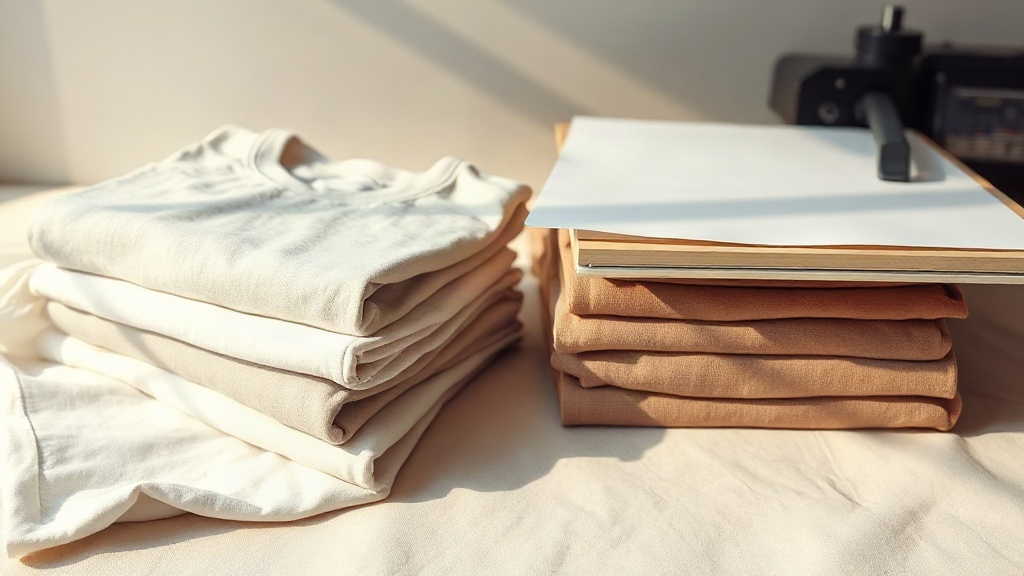
Choosing the right blank garment is the quiet decision that makes or breaks a custom apparel order. A shirt that fits well, feels substantial, and takes a print cleanly will keep customers coming back. A cheap substitute will not. That is why the term smart blanks has become a shorthand among decorators for garments selected with intention rather than picked off a clearance list. When you pair those blanks with a proven cut like Shaka Wear and a modern decoration method like DTF transfers, you get a workflow that holds up from a single sample to a full production run.
What Makes a Blank Garment Smart
A smart blank is not simply expensive or trendy. It is a garment whose weight, weave, and finish match the job it is meant to do. A heavyweight tee for a streetwear drop and a lightweight triblend for a summer event are both smart choices, just for different reasons. The mistake most newcomers make is treating all blanks as interchangeable, then wondering why a design looks washed out on one shirt and razor sharp on another.
Three factors do most of the work:
- Fabric weight. Heavier cotton holds structure and resists see-through, which matters for bold graphics and darker inks.
- Knit density. A tighter knit gives the print a smoother surface and reduces the pebbled texture that can break up fine detail.
- Shrinkage and stitch quality. A blank that twists or shrinks after the first wash undermines everything you printed on it.
When these three line up, the garment stops being a canvas and starts being part of the design.
Why Shaka Wear Earns Its Place in the Rotation
Streetwear decorators talk about Shaka Wear for a reason. The brand built its reputation on boxy, heavyweight silhouettes that photograph well and drape in a way that reads as premium on a hanger. For anyone printing oversized fits, that structure is not a small detail. A flimsy blank collapses under a large chest print, while a heavier one carries it.
Fit and Fabric Notes
Shaka Wear tees generally run with a fuller body and a slightly wider shoulder than standard retail cuts. That works in your favor when you are decorating for a streetwear audience that expects room to move. The cotton tends to be dense, which means less show-through and better ink laydown. It also means the shirt has real weight in hand, and customers notice that immediately.
Where It Fits Best
This is not the blank you reach for when you need a fitted corporate polo. It shines for graphic-heavy drops, small-batch brand launches, and anything where the silhouette is part of the message. If your design leans on large typography or full-front artwork, a structured blank like this gives the print room to breathe.
DTF Transfers and the Modern Print Shop
DTF transfers changed how small shops approach decoration. Instead of investing in screen setups for every color in a design, you print the artwork onto a film, apply a powder adhesive, and heat press it onto the garment. The result is a soft, stretchy print that handles gradients, photographs, and fine linework that would be painful to screen print.
The appeal is practical. You can produce a single sample in minutes, then scale to dozens without rebuilding a screen for each color. For a brand testing designs, that flexibility lowers the cost of being wrong.
How DTF Interacts with Different Blanks
Not every fabric plays equally well with film-based transfers. Cotton takes the adhesive cleanly and produces a durable bond. Blends behave well too, though very high polyester content can require lower press temperatures to avoid scorching or dye migration. Heavily textured fabrics, like slub or heavy fleece, need more pressure to push the adhesive into the weave.
A quick test press on a scrap piece of the actual blank saves far more time than guessing. Press a small square, let it cool, and peel. If the edges lift or the film feels stiff, adjust temperature, pressure, or dwell time before running the full order.
Durability Expectations
A properly applied DTF transfer survives normal washing when the care instructions are followed. Turn the garment inside out, wash cold, and avoid high heat in the dryer. The print stretches with the fabric rather than cracking like a thick plastisol layer, which is a big part of why customers prefer the feel.
Building a Workflow That Scales
The real advantage of combining smart blanks, a reliable cut like Shaka Wear, and DTF transfers is that the process holds together as volume grows. A few habits keep quality consistent:
- Order a sample of any new blank before committing to a bulk purchase.
- Log your press settings for each fabric so you can repeat them.
- Store transfers flat and away from moisture to protect the adhesive.
- Inspect every garment after pressing, not just the first few.
These are unglamorous steps, but they are the difference between a shop that ships consistent work and one that fields complaints.
Matching the Blank to the Customer
Blank selection is also a marketing decision. A heavyweight boxy tee signals a certain audience and price point. A lighter, softer tee signals comfort and everyday wear. When you understand who is buying, the blank choice becomes obvious rather than arbitrary.
Ask what the customer wants the shirt to feel like in hand. If they describe something substantial and structured, lean toward heavier cotton. If they want something that disappears on the body, a lighter blend is the better call. This single question prevents most returns and reprints.
Frequently Asked Questions
Are smart blanks worth the extra cost over budget tees?
In most cases, yes. A better blank holds its shape, prints more cleanly, and lasts longer, which reduces complaints and repeat costs. The upfront difference is usually small compared to the value of a garment that keeps its quality after washing.
Can I use DTF transfers on Shaka Wear heavyweight tees?
Absolutely. The dense cotton takes DTF adhesive well and produces a durable, soft print. Because the fabric is heavier, you may need slightly more pressure to seat the transfer into the weave, so run a test press first.
Do DTF transfers work on polyester blends?
They do, but high-polyester fabrics need lower press temperatures to avoid dye migration and scorching. Always test on the actual garment, since blend ratios vary between suppliers and colors.
How many washes does a DTF print typically last?
With cold washing and inside-out drying, a well-applied DTF print generally holds up for many wash cycles. Heat and harsh detergent are the main enemies, so care instructions matter as much as the application itself.
What is the best way to choose a blank for a new design?
Start with the intended feel and audience, then test a sample of two or three candidates. Print the same design on each, wash them, and compare. The garment that still looks sharp after a few cycles is the one to order in bulk.