
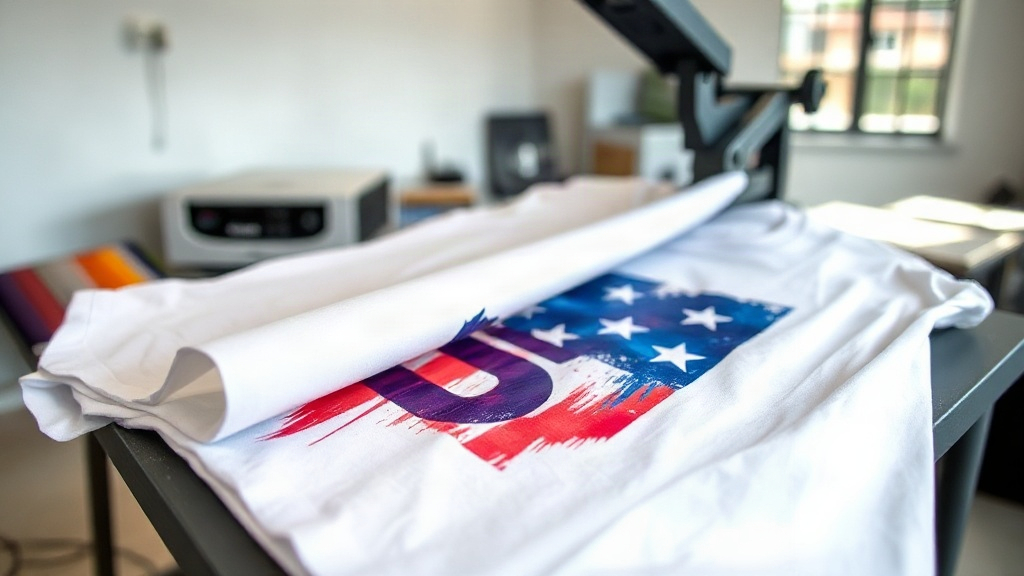
Imagine pressing a vibrant, full-color design onto a cotton t-shirt in under a minute, with no weeding, no masking, and no color limitations. That's the promise of DTF transfers, a technology that has taken the custom apparel world by storm. Unlike traditional screen printing or vinyl cutting, DTF (Direct to Film) transfers offer a streamlined workflow that even beginners can master. In this guide, we'll walk you through everything you need to know about DTF transfers, from the science behind them to practical tips that ensure your prints look professional and last.
What Are DTF Transfers?
DTF transfers are a type of heat-applied decoration where a design is printed onto a special film, coated with adhesive powder, and then transferred to a garment using a heat press. The process begins with a digital printer that lays down CMYK inks plus white ink onto a PET film. The white ink acts as a base, allowing the colors to pop on both light and dark fabrics. After printing, a hot-melt adhesive powder is applied to the wet ink, and the film is cured. The result is a flexible, stretchable transfer that can be applied to almost any fabric, including cotton, polyester, blends, and even leather.
The DTF Printing Process Step by Step
Understanding each stage helps you troubleshoot and achieve consistent results. Here's how it works:
- Design Preparation: Create your artwork in a vector or high-resolution raster format. Mirror the image horizontally before printing, as the film will be flipped when pressed.
- Printing: Load the PET film into a DTF printer. The printer lays down a layer of white ink, followed by CMYK inks. Some printers also print a second white layer for opacity on dark garments.
- Powdering: While the ink is still wet, apply hot-melt adhesive powder evenly over the design. Shake off excess powder.
- Curing: Place the film in a curing oven or under a heat source to melt the powder. This step is critical; under-curing leads to wash-off, while over-curing can make the transfer brittle.
- Pressing: Set your heat press to the recommended temperature (usually 300-320°F) and pressure (medium to high). Press the transfer onto the garment for 10-15 seconds, then peel the film hot or cold depending on the film type.
Why DTF Transfers Are a Game-Changer
DTF transfers solve several pain points that have plagued apparel decorators for years. First, they eliminate the need for color separation and screen setup, making short runs and one-offs economically viable. Second, because the transfer includes a white base, you can print bright colors on dark shirts without worrying about dye migration or opacity issues. Third, the adhesive powder creates a strong bond that withstands repeated washing when applied correctly. Finally, DTF transfers can be applied to a vast range of materials, from 100% cotton to polyester performance wear, and even to unusual items like canvas bags and denim jackets.
DTF vs. Other Decoration Methods
How does DTF stack up against vinyl, screen printing, and DTG? Here's a quick comparison:
- Vinyl (HTV): Great for simple one-color designs, but layering multiple colors is time-consuming and can lead to a thick, stiff feel. DTF handles complex, multi-color graphics with ease.
- Screen Printing: The gold standard for large orders, but setup costs and minimums make it impractical for small batches. DTF shines for on-demand and personalized items.
- DTG (Direct to Garment): Excellent for 100% cotton, but often struggles with polyester and dark colors. DTF works on both and produces vibrant results on dark fabrics.
Choosing the Right DTF Supplies
Not all DTF films and powders are created equal. The quality of your supplies directly impacts the durability and appearance of your prints. Look for films that are coated for high ink release and have a consistent thickness. Adhesive powders come in fine, medium, and coarse grades; finer powders work well for detailed designs, while coarser powders provide a stronger bond for large areas. Inks should be specifically formulated for DTF printers to prevent clogging and ensure vibrant colors. It's also wise to invest in a reliable heat press with accurate temperature and pressure controls, as inconsistent pressing is a common cause of failed transfers.
Printer Options: Converted vs. Dedicated DTF
You can convert an existing inkjet printer (like an Epson EcoTank) into a DTF printer using a DTF ink system and RIP software. This is a budget-friendly entry point but requires tinkering and may void your printer's warranty. Dedicated DTF printers are engineered for the task, with built-in white ink circulation and powder shakers. They cost more but offer greater reliability and less maintenance. If you plan to produce DTF transfers regularly, a dedicated machine is worth the investment.
Step-by-Step Guide to Applying DTF Transfers
Once you have your transfer ready, applying it is straightforward. Follow these steps for a professional finish:
- Preheat the Garment: Press the garment for 5-10 seconds to remove moisture and wrinkles. This also helps the transfer adhere evenly.
- Position the Transfer: Place the transfer on the garment with the printed side facing up. If your film requires a cold peel, let it cool completely before peeling.
- Press: Apply medium to high pressure at 300-320°F for 10-15 seconds. Use a Teflon sheet or parchment paper over the transfer to protect it.
- Peel: Peel the film hot or cold as recommended by the manufacturer. Hot peel films are peeled immediately after pressing, while cold peel films must cool down first.
- Post-Press (Optional): For extra durability, press the garment again for 5-10 seconds with a Teflon sheet to smooth the print and improve wash resistance.
Common Challenges and How to Overcome Them
Even with the best supplies, you might encounter issues. Here are some common problems and their solutions:
- Transfer Not Sticking: Usually caused by insufficient pressure, low temperature, or a damp garment. Ensure your heat press is calibrated and pre-press the garment to remove moisture.
- Ink Cracking: Often due to over-curing the film or pressing at too high a temperature. Follow the manufacturer's guidelines and test your settings.
- Dull Colors: May result from using too little white ink or printing on a film with poor ink absorption. Increase white ink density or switch to a higher-quality film.
- Powder Not Melting: If the powder remains grainy after curing, the temperature was too low or the curing time too short. Adjust your oven or heat source accordingly.
DTF Transfers for Business: Profit Potential
For entrepreneurs, DTF transfers open up a world of opportunities. The low startup cost compared to screen printing means you can offer custom apparel without a large inventory. You can print on demand, creating personalized items for sports teams, schools, small businesses, and events. The ability to produce full-color designs on dark garments without minimums gives you a competitive edge. Many DTF businesses also sell transfer sheets online, catering to crafters who want to press their own designs. With a solid marketing strategy and quality control, DTF can be a profitable venture.
Frequently Asked Questions About DTF Transfers
How long do DTF transfers last?
When applied correctly, DTF transfers can last as long as the garment itself. Proper curing and pressing are key. Expect 50+ washes without significant fading or cracking if you follow the guidelines. Avoid ironing directly over the print and wash inside out in cold water.
Can I use DTF transfers on polyester?
Yes, DTF transfers work well on polyester and polyester blends. However, polyester is sensitive to high heat, so lower the press temperature to around 280-300°F and use light pressure to prevent scorching or dye migration. Always test on a scrap piece first.
Do I need a special printer for DTF?
You can convert a standard inkjet printer with DTF ink and film, but dedicated DTF printers are more reliable. They have white ink recirculation systems and are designed for the thicker inks. If you're serious about DTF, invest in a dedicated machine.
What is the difference between DTF and DTG?
DTG prints directly onto the garment, while DTF prints onto a film that is then transferred. DTF offers better adhesion on dark and synthetic fabrics and doesn't require pre-treatment. DTG is limited to cotton and requires pretreatment for dark shirts.
How do I store unused DTF transfers?
Store them in a cool, dry place away from direct sunlight. Keep them flat or rolled, not folded, to prevent creasing. Properly stored transfers can last for months. Avoid high humidity, which can cause the powder to clump.