
If you've been exploring custom apparel printing, you've likely heard about dtf transfers. This method is rapidly gaining popularity for its versatility and vibrant results. Whether you're a small business owner looking to expand your product line or a hobbyist wanting to create personalized gifts, understanding DTF technology can open up a world of possibilities. In this guide, we'll walk you through the entire process, from design to application, and share insider tips to help you achieve professional-quality prints every time.
What Are DTF Transfers?
DTF stands for Direct to Film. It's a printing technique where your design is printed onto a special film, then coated with a adhesive powder and cured. The resulting transfer can be applied to a wide range of fabrics using a heat press. Unlike DTG (Direct to Garment) printing, which requires the fabric to be pre-treated and is mostly limited to cotton, dtf transfers work on cotton, polyester, blends, and even nylon, leather, and more. This flexibility makes it a favorite among printers who need to handle diverse orders.
How DTF Transfers Work
The process involves several steps, each crucial for a successful outcome. Let's break it down.
Design Preparation
Start with a high-resolution image. DTF printing can handle intricate details and gradients, but low-resolution files will result in pixelated prints. Use design software to ensure your artwork is in CMYK color mode and at least 300 DPI. Don't forget to mirror your design horizontally because the film is pressed face-down onto the fabric.
Printing and Powdering
The design is printed onto a PET film using specialized DTF inks. While the ink is still wet, a hot-melt adhesive powder is applied evenly over the print. Excess powder is shaken off, and the film is then cured in an oven or with a heat gun. This step melts the powder, creating a durable, flexible layer that will bond to the fabric.
Heat Press Application
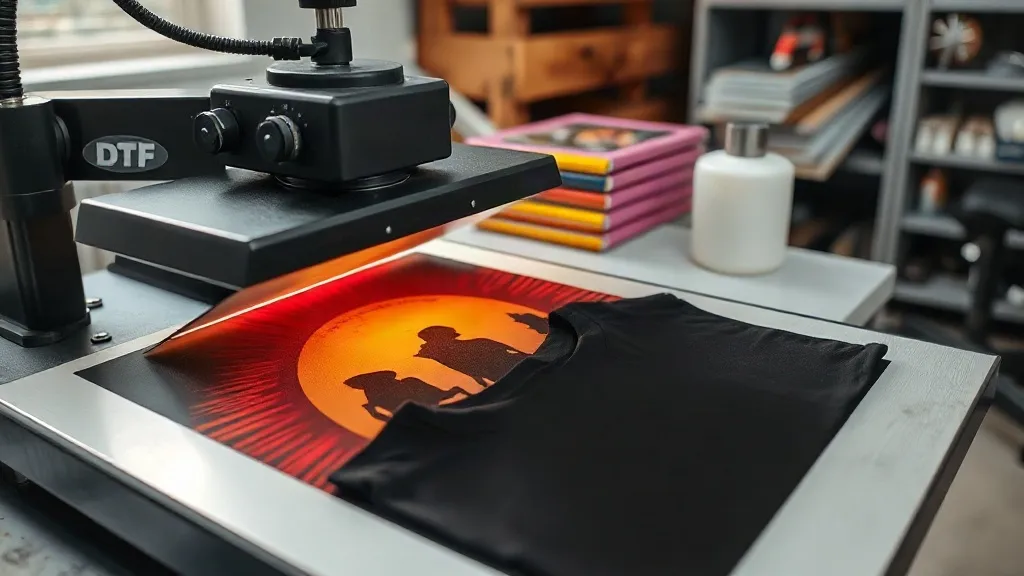
Once cured, the transfer is ready to be applied. Preheat your heat press to around 300°F to 320°F (150°C to 160°C). Place the transfer face-down onto the garment, cover with a protective sheet or parchment paper, and press for 10-15 seconds with medium pressure. After pressing, peel the film while it's still hot (or cold, depending on the film type) and you're done!
Why Choose DTF Transfers?
There are several compelling reasons to consider DTF for your printing needs.
- Fabric versatility: Works on almost any material, including dark colors and synthetics.
- No pre-treatment: Saves time and reduces costs compared to DTG.
- Vibrant colors: Produces bright, opaque prints with fine details.
- Durability: Prints resist cracking, fading, and washing when applied correctly.
- Cost-effective for small batches: No minimum order quantity, ideal for one-offs.
Many printers are switching to dtf because it simplifies their workflow while delivering high-quality results.
Applications of DTF Transfers
From t-shirts and hoodies to tote bags and caps, DTF transfers can be used on virtually any fabric item. It's also great for personalizing items like pillowcases, aprons, and even shoes. Because the transfers are thin and flexible, they feel comfortable to wear and don't crack easily. This makes them perfect for sportswear and uniforms that undergo frequent washing.
Tips for Flawless DTF Transfers
To ensure your transfers look professional and last long, follow these best practices.
Choose the Right Film and Powder
Not all DTF films are created equal. Some are designed for hot peel, others for cold peel. The powder also comes in different mesh sizes; finer powder is better for detailed designs. Always test new supplies before committing to a large order.
Control Heat Press Settings
Temperature, pressure, and time are critical. Too much heat can scorch the fabric or cause the adhesive to bleed, while too little heat may result in poor adhesion. Invest in a heat press with accurate temperature control and use a pressure of around 40-60 PSI.
Pre-Press the Garment
Before applying the transfer, press the garment for a few seconds to remove moisture and wrinkles. This ensures a smooth surface for the transfer to bond to.
Store Transfers Properly
Keep unused transfers in a cool, dry place away from direct sunlight. Storing them in a sealed bag with a desiccant pack can prevent moisture damage.
DTF vs. Other Printing Methods
How does DTF compare to screen printing, vinyl, and DTG?
- Screen printing: Better for large orders with few colors, but setup costs are high. DTF is more economical for small batches and full-color designs.
- Vinyl: Great for simple text and shapes, but not for complex images. DTF handles intricate details with ease.
- DTG: Limited to cotton and requires pre-treatment. DTF works on more fabrics and has a simpler process.
Finding DTF Transfers Near Me
If you're looking to get started with DTF, you might be wondering where to find quality transfers. Searching for dtf transfers near me can help you locate local suppliers, but online options often provide faster service and competitive pricing. Many companies offer custom printing services where you can upload your design and receive ready-to-press transfers. When choosing a supplier, check for reviews, turnaround time, and shipping costs.
Frequently Asked Questions
Can DTF transfers be applied to dark fabrics?
Absolutely. Unlike DTG, DTF uses a white ink layer behind the colors, so prints remain vibrant on dark materials. This makes it ideal for black t-shirts and other dark garments.
How long do DTF transfers last?
With proper application and care, DTF prints can last as long as the garment itself. They resist cracking and fading even after multiple washes. To maximize longevity, wash inside out in cold water and avoid ironing directly on the print.
Do I need a special printer for DTF?
Yes, DTF requires a printer that uses DTF inks and a powder shaker. However, if you're not ready to invest in equipment, you can order pre-made transfers from a supplier and apply them with a heat press.
What is the best heat press for DTF transfers?
A heat press with uniform pressure and accurate temperature control is essential. Clamshell and swing-away presses both work well; choose one that fits your space and budget. Many beginners start with a 15x15 inch press.
Can I use DTF transfers on 100% polyester?
Yes, DTF works great on polyester. However, polyester is heat-sensitive, so use a lower temperature (around 280°F) and press for a shorter time to avoid scorching or dye migration.
DTF transfers offer a versatile, durable, and cost-effective solution for custom apparel printing. With a bit of practice and the right supplies, you can achieve professional results that impress your customers. Whether you're just starting out or looking to expand your services, DTF is a technique worth mastering.