
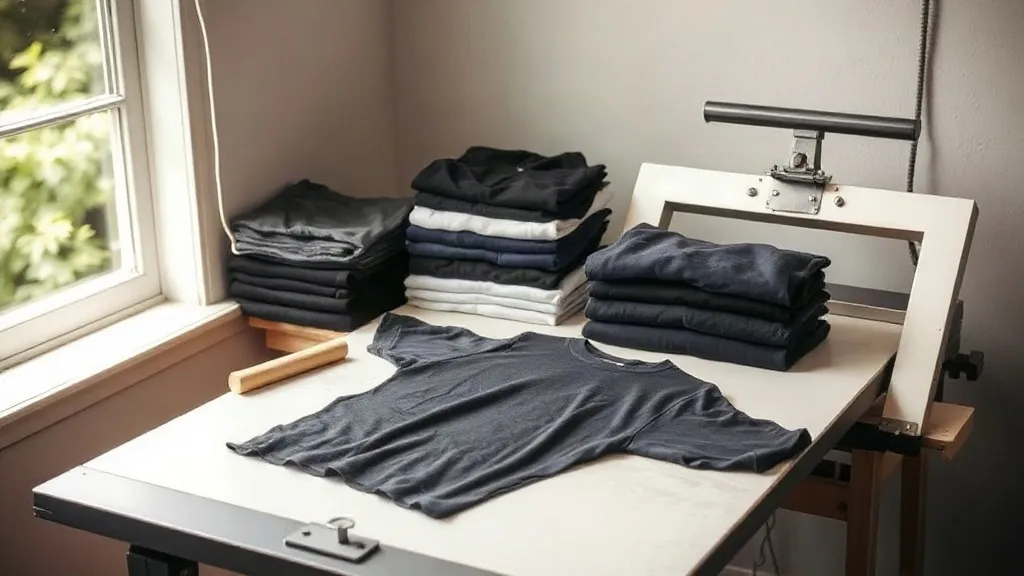
The first time a client asks for a heavyweight tee that still feels soft on the hanger, most print shops reach for the same handful of brands. shaka wear has quietly become one of those names, largely because the line sits in a useful middle ground: heavier than a standard fashion blank, cheaper than premium retail labels, and consistent enough that you can plan a run around it. If you are deciding whether to add it to your shelf or you already stock it and want to use it better, the details below come from the everyday concerns of a working print floor rather than a catalog description.
This guide covers what the fabric actually behaves like under a squeegee, where the fits land on real bodies, how it compares with smart blanks and similar value lines, and the mistakes that cost shops money when they treat every blank as interchangeable.
Why heavyweight blanks earn their shelf space
Lightweight blanks are cheap and they photograph well, but they punish you in three places: they show through on light colors, they distort when you pull a tight screen, and they feel thin the moment a customer touches them. A 6 oz cotton tee solves most of that. The extra fabric gives the garment enough body to sit flat on the platen, which means less adhesive spray, fewer repositions, and cleaner registration on multi-color jobs.
Shaka Wear's core tees land in that 6 oz range, and that single spec drives most of the practical decisions you will make with the line. Heavier goods take plastisol without the ink sinking into the weave, so a one-hit white stays opaque on a black shirt. They also hold shape through a hot dryer, which matters more than most people realize when you are printing two hundred pieces and stacking them warm.
The tradeoff is weight on the wearer. A 6 oz tee is not a summer weight garment, and if your client is ordering for a beach event in July, be honest about that. Suggest a lighter option or steer the design toward a looser fit so airflow is not the issue.
Fit and sizing: what to expect before you promise anything
Fit is where most client disputes start, and it is almost never the printer's fault. It is a communication problem. Shaka Wear's adult tees run in a classic cut with a slightly boxy shoulder, which reads as modern on younger buyers and slightly generous on older ones. That is not a flaw, but you need to say it out loud before the order is confirmed.
How the adult tees actually wear
The body is roomy through the chest and stays straight down to the hem rather than tapering. Sleeves sit at a standard length, not the shorter capped look you get on fashion blanks. For team uniforms, staff shirts, and event merch, that straight cut is the right call because it fits a wider range of body types without looking sloppy. For a streetwear drop where the client wants a cropped or tapered silhouette, you will be disappointed, and you should say so at the quote stage.
Youth and ladies cuts
If your order mixes adult and youth sizes, check the size chart against a physical sample rather than trusting the numbers on a spec sheet. Youth sizing varies enough between brands that a parent ordering a "youth large" for a growing kid may end up with something that fits for one season. Keep one sample of each size on a hanger in the shop. It saves a phone call every single time.
Print performance: screen printing, DTG, and embroidery
A blank is only as good as what you can put on it. Here is how the line behaves across the three methods most shops run.
- Plastisol and water-based screen printing: The tight, dense knit holds registration well and resists the fiber migration that plagues cheap ring-spun blanks. Water-based inks need a slightly higher mesh count to sit on the surface rather than soak in, but the result is a soft hand that survives washing.
- DTG: Heavier cotton takes pretreatment well, and the 100% cotton face gives you solid color saturation. Expect to dial in your pretreat spray level if you are coming from a lighter blank, because the same setting will leave a visible halo on a thicker garment.
- Embroidery: The fabric weight is an advantage here. A 6 oz tee supports a denser stitch count without puckering, which makes it a reliable choice for left-chest logos and small corporate marks. Backing still matters, but you have more room to work.
One habit worth building: run a test print on the actual garment before you commit to a full run. A blank that prints beautifully in a sample may behave differently in a bulk batch if the dye lot changes, and catching that on piece one is much cheaper than catching it on piece one hundred.
Where Shaka Wear fits against other blank lines
Most shops end up with two or three blank brands on the shelf, and the reason is rarely brand loyalty. It is about matching the blank to the job. The shaka wear range works well as your default for anything that needs to feel substantial: team gear, staff uniforms, band merch, and promotional runs where the shirt is going to be worn hard.
Value lines like smart blanks fill a different slot. They are the right answer when budget is the deciding factor, when the shirt is a giveaway that will be worn twice, or when you need a huge color range and can accept a lighter hand. Pairing the two on the shelf gives you a real conversation to have with clients instead of a single take-it-or-leave-it option.
A simple way to frame it in a quote: offer a standard option and a premium option, show the physical difference in weight and drape, and let the client choose. Shops that do this consistently report fewer returns than shops that quote one price and hope for the best.
Shrinkage, washing, and setting client expectations
Cotton shrinks. That is not a defect, and pretending otherwise creates problems later. Expect a small amount of length shrinkage on the first wash, particularly on heavier knits, and tell your client before they order. If the garment needs to fit exactly after washing, order a size up or pre-wash your sample.
Care instructions belong on your invoice, not buried in a product page. Cold wash, inside out, tumble dry low. Printed areas last longer when they are not subjected to high heat, and a client who knows this will blame the laundry instead of your shop when a print starts to crack after a year of hot drying.
Buying decisions that save money later
Ordering blank apparel is a forecasting exercise as much as a purchasing one. A few practical rules keep the shelf healthy:
- Buy in case quantities for your top three colors. Black, white, and navy move faster than anything else, and running out mid-order forces a substitution that the client did not approve.
- Keep a physical sample of every style you stock. Photos lie about drape and weight.
- Check dye lot consistency when a restock arrives. Two blacks from different runs can read differently under shop lighting even when they are technically the same color.
- Track which styles you actually reorder. If a blank has sat untouched for six months, it is taking up space that a faster mover could use.
None of this is glamorous, but it is the difference between a blank program that quietly supports your margin and one that eats it through waste and reprints.
Frequently asked questions
Is Shaka Wear good for screen printing?
Yes. The heavier cotton knit holds registration well, resists ink bleeding, and takes both plastisol and water-based inks cleanly. It is a solid choice for multi-color work where you need the garment to stay flat on the platen.
Does Shaka Wear run true to size?
The adult tees run in a classic, slightly roomy cut. Most buyers find them true to size with a bit of extra room through the chest, but anyone who wants a fitted look should consider sizing down or checking a physical sample first.
How much do Shaka Wear blanks shrink?
Expect a modest amount of shrinkage on the first wash, mostly in length, which is normal for a heavier cotton knit. Washing cold and drying on low heat keeps it to a minimum, and ordering a size up solves the problem for clients who need an exact post-wash fit.
Can I use Shaka Wear for embroidery?
It works well for left-chest logos and small marks because the fabric weight supports a denser stitch count without puckering. For large back designs, use an appropriate backing and test on a scrap piece first.
What is the difference between Shaka Wear and smart blanks?
The main difference is weight and hand feel. Shaka Wear leans heavier and more substantial, which suits uniforms and merch that gets worn hard. smart blanks covers the budget end of the shelf with a lighter garment and a wider color range, which suits giveaways and high-volume promotional work.