
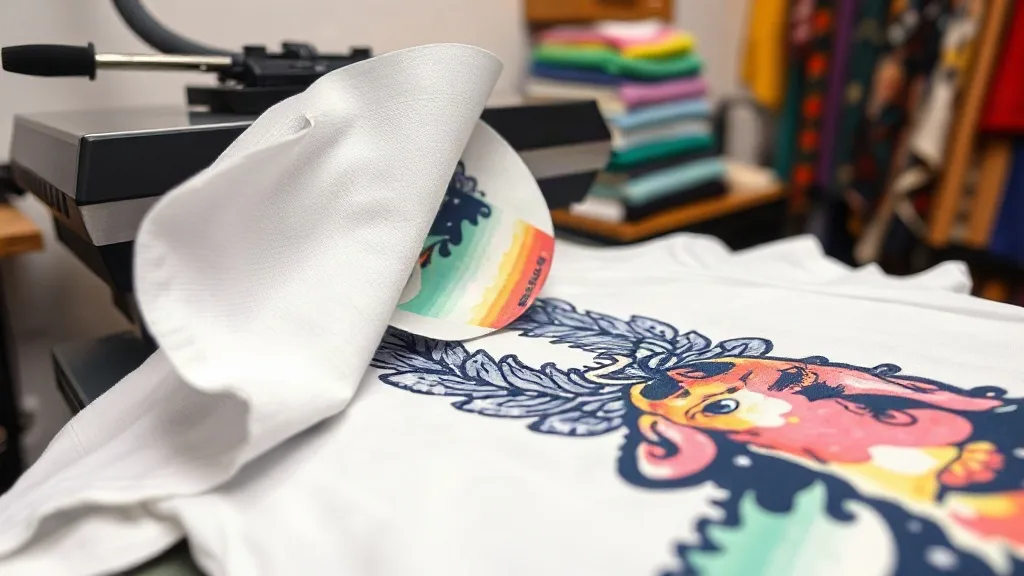
If you're in the print-on-demand business, you've likely heard about dtf transfers. This innovative printing technology is changing the way custom apparel is produced, offering vibrant colors, exceptional durability, and unmatched versatility. Whether you're a small business owner or a seasoned pro, understanding DTF transfers can give you a competitive edge. In this guide, we'll dive deep into what DTF transfers are, how they work, and why they might be the perfect solution for your printing needs.
What Are DTF Transfers?
DTF stands for Direct-to-Film. It's a printing method where your design is printed onto a special film, then coated with an adhesive powder and heat-pressed onto fabric. Unlike DTG (Direct-to-Garment) printing, which requires specialized printers and pretreatment, DTF transfers are created separately and can be applied to a wide range of materials, including cotton, polyester, and blends. This flexibility makes dtf a game-changer for small businesses and hobbyists alike.
How Does the DTF Printing Process Work?
The DTF process involves several key steps:
- Design Preparation: Your artwork is prepared digitally, ensuring it's high-resolution and properly color-separated.
- Printing: The design is printed onto a PET film using special DTF inks. A white ink layer is applied as a base to ensure opacity on dark fabrics.
- Powder Application: While the ink is still wet, a hot-melt adhesive powder is applied to the film. Excess powder is shaken off.
- Curing: The film is heated to melt the powder, creating a durable, flexible adhesive layer.
- Transfer: The film is placed on the fabric and heat-pressed, transferring the design permanently.
This process allows for intricate designs with fine details and gradients, which are often challenging with other printing methods.
Why Choose DTF Transfers for Your Business?
Unmatched Versatility
DTF transfers work on almost any fabric, including 100% cotton, polyester, nylon, and even leather. This opens up a world of possibilities for custom products beyond t-shirts, such as hoodies, bags, and hats.
Vibrant and Durable Prints
The combination of DTF inks and adhesive powder results in prints that are bright, crisp, and resistant to cracking, peeling, and fading. Even after multiple washes, the colors remain vivid.
Cost-Effective for Small Runs
Unlike screen printing, which requires setup costs for each color, DTF transfers are economical for small batches and one-off designs. You can order a single transfer or hundreds without breaking the bank.
No Pretreatment Required
DTF eliminates the need for pretreatment solutions, saving time and reducing chemical use. This makes it a more environmentally friendly option compared to DTG.
DTF Transfers vs. Other Printing Methods
Let's compare DTF with other popular printing techniques:
- DTG (Direct-to-Garment): DTG requires pretreatment and is limited to cotton fabrics. DTF works on more materials and often produces more vibrant colors on dark garments.
- Screen Printing: Screen printing is cost-effective for large orders but has high setup costs and is impractical for small batches. DTF is ideal for small runs and complex designs.
- Sublimation: Sublimation only works on light-colored polyester fabrics. DTF can be used on any color and fabric type.
- Vinyl (HTV): HTV is great for simple designs but struggles with intricate details and gradients. DTF handles complex artwork with ease.
Finding Quality DTF Transfers Near You
When searching for dtf transfers near me, it's crucial to choose a reputable supplier. Look for companies that use high-quality inks and films, offer fast turnaround times, and provide excellent customer service. Reading reviews and requesting samples can help you make an informed decision. A reliable supplier will ensure your transfers are consistent and durable, giving your customers the best possible product.
Tips for Applying DTF Transfers
To achieve professional results, follow these application tips:
- Preheat the Fabric: Remove moisture and wrinkles by pressing the garment for a few seconds before applying the transfer.
- Use the Right Settings: Set your heat press to the temperature and pressure recommended by the transfer supplier (typically 300-325°F for 10-15 seconds).
- Peel Cold or Hot: Some films require cold peel, others hot peel. Always follow the instructions.
- Post-Press: After peeling, press again for a few seconds to ensure the design is fully bonded.
Common Mistakes to Avoid
Even experienced printers can make mistakes. Here are some pitfalls to watch out for:
- Insufficient Pressure: Uneven pressure can cause the transfer to lift or not adhere properly.
- Wrong Temperature: Too hot can scorch the fabric; too cold can prevent proper adhesion.
- Ignoring Fabric Type: Always test on a sample first, especially with heat-sensitive fabrics like nylon.
- Poor Storage: Store transfers in a cool, dry place to prevent the adhesive from losing its tackiness.
Frequently Asked Questions
Can DTF transfers be used on dark colored shirts?
Yes, DTF transfers are excellent for dark fabrics because they include a white ink base that makes colors pop. The white layer ensures the design is opaque and vibrant, even on black or navy shirts.
How long do DTF transfers last?
With proper application and care, DTF transfers can last as long as the garment itself. They are highly durable and resistant to washing, cracking, and peeling. Following the care instructions, such as washing inside out and avoiding high heat, will extend their life.
Do I need a special printer for DTF transfers?
Yes, DTF printing requires a specialized DTF printer that uses DTF inks and a film handling system. However, if you don't want to invest in a printer, you can order pre-printed DTF transfers from a supplier and apply them with a standard heat press.
What fabrics work best with DTF transfers?
DTF transfers adhere well to a wide range of fabrics, including cotton, polyester, blends, and even leather. They are particularly effective on fabrics that are difficult to print with other methods, such as 100% polyester and nylon.
Where can I find DTF transfers near me?
You can find local DTF transfer suppliers by searching online or checking with local printing shops. Many online suppliers also offer fast shipping, so you can get high-quality transfers delivered to your door. Always check reviews and order samples to ensure quality.