
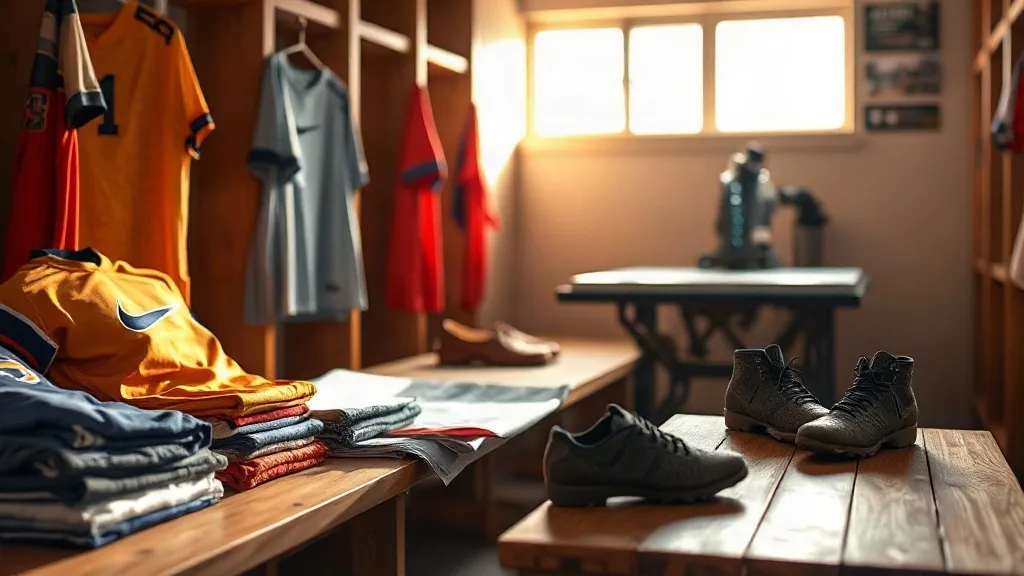
Anyone who has run kit for a Sunday league football side or a middle school track team knows the drill. You need twenty-two shirts in three sizes by Friday, half the squad has a name they want on the back, and the budget is whatever is left after the pitch hire. Screen printing shops want minimums you cannot hit, and the heat-press vinyl you tried last season started peeling after the third wash. This is exactly the gap where dtf transfers earn their place, and it is worth understanding why before you place another order.
The short version: direct-to-film printing lets you produce a handful of full-colour, durable designs without carving screens or buying a minimum quantity of stock. For a club that needs eight goalkeeper jerseys, forty outfield shirts and a dozen training tops with different sponsor logos, that flexibility matters more than any single spec on a datasheet.
Why small clubs keep running into the same kit problem
Traditional decoration methods were built for volume. Screen printing gets cheap per unit once you pass a hundred pieces, but the setup cost and minimums make a 15-shirt order painful. Vinyl cutting works for simple numbers and names but falls apart on gradients, photos or multi-colour crests. Embroidery looks smart on polos and caps but adds weight to a performance jersey and gets expensive fast on a full squad.
Dtf sits in a useful middle. A single printed film can carry a crest with twelve colours, a sponsor logo with a fine gradient and a player name in a script font, all in one pass. There is no colour separation, no screen reclaiming and no minimum order that forces you to overbuy. If your under-12 side needs six shirts this week and four more next week when two new kids join, you can print exactly that.
The real cost driver is not the transfer, it is the blank
Most clubs focus on the print price and forget that the garment is usually the bigger line item. A cheap polyester training top that pills after five washes will cost you more in replacements than a slightly better blank ever would. Spend your budget on a blank that suits the sport, then let the transfer do its job.
Matching DTF to the fabrics your teams actually wear
Sports kit is not a cotton t-shirt, and that changes how you should approach pressing. Here is how the common club garments behave.
- Polyester performance jerseys: the most common team shirt, and dtf bonds well to it. Keep press temperature moderate and use a cover sheet so the film does not stick to the fabric's sheen.
- Cotton and cotton-blend training tops: forgiving and easy to press. These are the safest choice if you are new to the process.
- Nylon shorts and shells: heat-sensitive. Test a scrap piece first, because a hot platen can leave a shine mark that never comes out.
- Fleece hoodies and warm-up tops: the texture is the challenge, not the fibre. A firm, high-pressure press pushes the adhesive into the pile so the edges do not lift.
If you are ordering dtf transfers for the first time and your squad wears a mix of fabrics, ask the supplier to send a small sample sheet. Pressing a test piece on each garment type before the full run saves you from discovering a problem on forty shirts at once.
Getting the press settings right for kit that takes a beating
Sports apparel gets washed more often and more aggressively than fashion tees, so the application needs to be more secure than a casual print. A few habits make a measurable difference.
- Pre-press the garment for a few seconds. This drives out moisture, which is the number one cause of failed adhesion on polyester.
- Peel cold or warm, not hot, unless your film says otherwise. A hot peel on a stretchy jersey can distort the print.
- Repress after peeling with a cover sheet. Ten seconds of post-press locks the edges and noticeably improves wash durability.
- Keep pressure firm and even. Light pressure is the usual culprit when edges lift after the first wash.
One thing clubs often miss: player numbers on the back of a jersey sit right where the fabric stretches most. If you are printing large numbers, use a film with good stretch recovery and avoid pressing over seams, because adhesive cannot bond to a ridge.
Names, numbers and sponsor logos in one workflow
Because dtf handles variable data easily, you can build a single gang sheet with every player's name and number laid out together and print it once. That is far faster than cutting vinyl letter by letter for a full squad, and the result looks more professional on a match day.
Ordering for a club without overbuying
Club kit is rarely a single order. Players join mid-season, sizes change, and a sponsor might want their logo updated halfway through. This is where short-run flexibility pays off. You can order a small batch now and top up later without paying a second setup fee, because there is no screen to remake.
If you are sourcing dtf transfers near me for a local club, check turnaround time as carefully as price. A supplier who can turn a gang sheet around in a couple of days is worth more to a volunteer kit manager than one who saves a few cents but delivers after the first fixture.
Durability expectations worth setting with your team
Be honest with parents and players about how to care for printed kit. A properly applied dtf print on a suitable fabric will typically survive a full season of regular washing, but the wrong laundry habits will shorten that. Wash inside out, avoid fabric softener on the printed area, and skip the tumble dryer on high heat. These three rules alone prevent most of the peeling and cracking that clubs blame on the print itself.
It also helps to keep a spare transfer or two on file for each design. If a shirt gets torn in a tackle, you can re-press a replacement in minutes rather than reordering a whole run.
Frequently asked questions
Can dtf transfers handle full-colour club crests with fine detail?
Yes. Dtf prints the whole design in one pass, so gradients, small text and multi-colour crests come out in a single transfer. That is one of its main advantages over vinyl, which struggles with anything beyond a few flat colours.
Will the print survive a full season of washing?
A correctly pressed transfer on a suitable fabric usually holds up well through a season of regular washing. Wash inside out, avoid fabric softener and high dryer heat, and the print should stay intact. Poor adhesion is almost always a pressing issue rather than a print quality issue.
How many shirts do I need to order for a small team?
There is no minimum with dtf, so you can order exactly the number you need. Many clubs start with a small batch and top up as players join, which keeps costs down and avoids leftover stock.
Does dtf work on goalkeeper gloves or other gear?
It works on flat fabric surfaces, but gloves and heavily textured gear are tricky because the adhesive needs a smooth, even surface to bond. Test a sample before committing, and consider alternatives for anything with a curved, grippy surface.
What is the fastest way to get kit ready before a fixture?
Prepare a gang sheet with all names, numbers and logos together, order it early in the week, and press on pre-warmed garments. A small club can realistically kit out a full squad in an afternoon if the transfers are ready and the press is set up.