
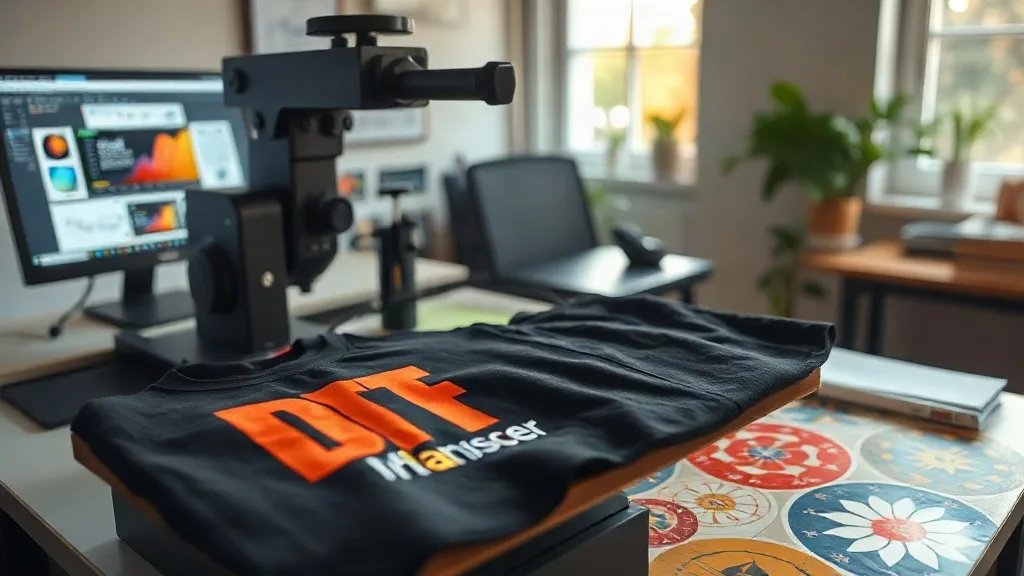
Every print shop owner knows the sting of a failed transfer: the cracked ink, the dull colors, the customer who never comes back. With dtf transfers, you can avoid those pitfalls and deliver vibrant, durable prints that keep clients coming back. But flawless results don't happen by accident. They come from understanding the nuances of the process, from file prep to final press. In this guide, we'll walk through the critical steps that separate a good print from a great one, sharing insights that only come from years behind the heat press.
Why DTF Transfers Are a Game-Changer for Print Shops
DTF technology has revolutionized the way shops handle custom apparel. Unlike traditional screen printing, dtf doesn't require screens, setup fees, or minimum orders. You can print a single shirt or a hundred with the same ease. The process involves printing your design onto a special film, applying a powder adhesive, and then pressing it onto the garment. The result is a soft, stretchable print that adheres to almost any fabric, including cotton, polyester, blends, and even nylon. For shops looking to expand their offerings without investing in expensive equipment, DTF is a no-brainer.
Choosing the Right DTF Supplies
The quality of your DTF transfers depends heavily on the supplies you use. Not all films, powders, and inks are created equal. Here's what to look for:
- Film: Opt for a film that releases cleanly and doesn't curl at the edges. Cold-peel films are popular for their reliability, but hot-peel films can speed up production if you master them.
- Powder: A fine, consistent powder ensures even adhesive coverage. Avoid clumpy powder, which can lead to uneven transfer and poor wash durability.
- Inks: Use high-quality DTF inks that are specifically formulated for textile printing. Cheap inks may clog your printhead or produce faded colors after washing.
- Pretreatment: Some fabrics, especially those with heavy finishes, benefit from a pretreatment spray to improve adhesion. Always test on a scrap piece first.
Investing in quality supplies might cost a bit more upfront, but it pays off in fewer rejects and happier customers.
Preparing Your Artwork for Flawless DTF Transfers
Even the best supplies can't compensate for poor artwork. Before you print, make sure your files are optimized for DTF. Here are key steps:
- Resolution: Ensure your design is at least 300 DPI at the final print size. Low-res images will look pixelated and unprofessional.
- Color Mode: Convert your artwork to CMYK. While DTF printers use CMYK inks, they can reproduce a wide gamut. However, certain spot colors like neon may require adjustments.
- White Ink Layer: DTF transfers require a white ink base to make colors pop on dark garments. Make sure your file includes a proper white underbase, or your printer software can generate it automatically.
- Mirroring: Don't forget to mirror your design before printing. The transfer will be flipped when pressed, so text and logos must be reversed.
- Bleed and Margins: Add a small bleed to avoid white edges around your design. Also, keep important elements away from the edges to prevent cutting errors.
Taking these steps during prepress saves time and material later.
Mastering the Heat Press: Settings and Techniques
The heat press is where the magic happens, but it's also where many shops stumble. Incorrect temperature, pressure, or timing can ruin a transfer. Here's a reliable starting point for most fabrics:
- Temperature: 320°F (160°C) to 340°F (170°C). Some films may require slightly different temps, so always check the manufacturer's recommendations.
- Pressure: Medium to firm pressure. You want the transfer to make full contact with the fabric without crushing it.
- Time: 10-15 seconds for the press, then peel the film while it's still warm (for hot-peel) or let it cool completely (for cold-peel).
Always use a Teflon sheet or parchment paper over the transfer to protect your press and prevent ink from sticking. And don't forget to pre-press the garment for a few seconds to remove moisture and wrinkles.
Troubleshooting Common DTF Transfer Issues
Even with the best practices, problems can arise. Here are some common issues and how to fix them:
- Transfer not adhering: Increase pressure or temperature. Ensure the garment is flat and free of wrinkles. Check that the powder was applied evenly and cured properly.
- Cracking after washing: This usually indicates insufficient powder or improper curing. Make sure the powder is melted fully (you can tell by the glossy finish) and that you're using a quality detergent without harsh chemicals.
- Dull colors: Could be due to a missing white underbase or low ink saturation. Verify your file settings and printer profile.
- Film curling: Store film in a cool, dry place and avoid exposing it to humidity. Curling film can cause misalignment during printing.
Keep a log of your settings and adjustments so you can replicate success and quickly diagnose issues.
Finding Reliable DTF Transfers Near Me
If you're not ready to invest in a DTF printer, you can still offer DTF prints by ordering transfers from a supplier. But how do you find a trustworthy source? Searching for dtf transfers near me can yield local options, but don't limit yourself geographically. Many online suppliers offer fast shipping and competitive pricing. Look for suppliers with clear specifications, good reviews, and responsive customer service. Request samples before committing to a large order. A reliable supplier will provide consistent quality and support, which is crucial for maintaining your shop's reputation.
Maximizing Profit with DTF Transfers
DTF transfers open up new revenue streams. You can cater to small orders, offer full-color designs without minimums, and even print on difficult fabrics like polyester and nylon. To maximize profit, consider these tips:
- Price strategically: Calculate your cost per transfer, including supplies, labor, and overhead. Then set a competitive price that reflects the value you provide.
- Bundle services: Offer DTF printing as part of a package with garment sourcing or design services.
- Market your capability: Promote your ability to handle small batches and complex designs. Many customers struggle to find shops that do this.
- Reduce waste: Use gang sheets to nest multiple designs on one film, minimizing unused space.
By streamlining your workflow and delivering consistent quality, you'll build a loyal customer base.
Frequently Asked Questions About DTF Transfers
How durable are DTF transfers after washing?
When applied correctly, DTF transfers can withstand 50+ washes without significant fading or cracking. Use mild detergent, avoid bleach, and tumble dry on low or hang dry to prolong life.
Can I use DTF transfers on 100% polyester?
Yes, DTF works great on polyester, but you may need to adjust press settings. Lower temperature (around 300°F) and light pressure prevent the fabric from scorching or the transfer from over-melting.
What's the difference between hot peel and cold peel DTF film?
Hot peel film allows you to remove the carrier sheet immediately after pressing while it's still hot, speeding up production. Cold peel requires the transfer to cool completely before peeling, which can yield a slightly smoother finish but takes more time.
Do I need a special printer for DTF?
Yes, DTF requires a printer with DTF ink and a powder shaker. However, you can also order pre-printed transfers from suppliers if you don't want to invest in equipment.
How do I store DTF transfers?
Store unused transfers in a cool, dry place away from direct sunlight. Keep them flat to prevent curling. Properly stored transfers can last up to a year.
Flawless DTF printing is within reach for any shop willing to learn the ropes. By focusing on quality supplies, meticulous prepress, and consistent pressing, you'll deliver prints that impress and endure. And when you need reliable transfers, remember that dtf transfers from a trusted source can be your secret weapon.