
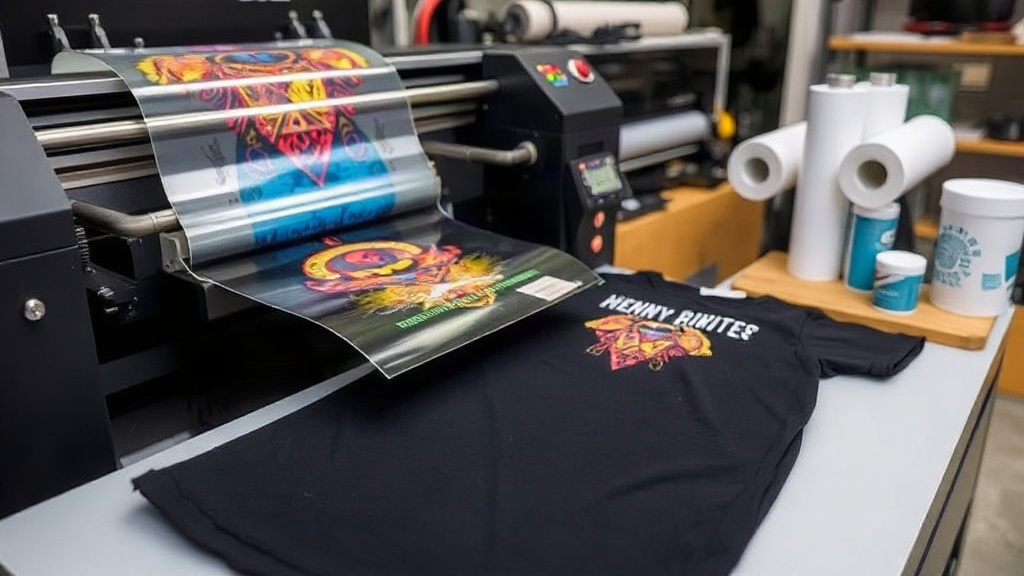
When you're running a print-on-demand (POD) business, the printing method you choose can make or break your customer satisfaction and your bottom line. Among the many options, DTF printing has emerged as a game-changer, offering vibrant colors and unmatched versatility. But is it right for your POD setup? In this guide, I'll walk you through everything you need to know about DTF printing, from how it works to practical tips for integrating it into your workflow.
What is DTF Printing?
DTF stands for Direct to Film. Unlike Direct to Garment (DTG) printing, which prints directly onto the fabric, DTF involves printing your design onto a special film, coating it with adhesive powder, and then heat-pressing it onto the garment. This two-step process might sound complex, but it opens up a world of possibilities for materials and colors.
The magic of DTF lies in its ability to adhere to a wide range of fabrics, including cotton, polyester, blends, and even nylon. This flexibility is a huge advantage for POD sellers who want to offer diverse products without investing in multiple printing technologies.
How Does DTF Printing Work?
Understanding the DTF process helps you troubleshoot issues and optimize results. Here's a step-by-step breakdown:
- Design Preparation: Your artwork is prepared digitally, ensuring it's mirrored and sized correctly.
- Printing: A specialized DTF printer lays down the design using water-based inks onto a PET film. White ink is typically printed as a base to make colors pop on dark fabrics.
- Powdering: While the ink is still wet, a thermoplastic powder is applied to the film. The excess powder is shaken off.
- Curing: The film goes through a heat source (like a heat press or oven) to melt the powder, creating a adhesive layer.
- Transfer: The film is placed on the garment and heat-pressed. After cooling, the film is peeled away, leaving the design bonded to the fabric.
Each step requires attention to detail, but once mastered, DTF can produce stunning, durable prints.
Why Choose DTF for Print on Demand?
If you're in the POD space, you might wonder why DTF is worth considering over other methods. Here are the key benefits:
- Fabric Versatility: Works on almost any fabric, including those that are tricky for DTG, like 100% polyester or nylon.
- Vibrant Colors: The white ink base allows for bright, opaque colors even on dark garments.
- Durability: When applied correctly, DTF prints resist cracking, peeling, and fading through many washes.
- No Pre-Treatment: Unlike DTG, DTF doesn't require pre-treating the garment, saving time and resources.
- Cost-Effective for Small Runs: With no minimum order quantities, DTF is ideal for POD's on-demand model.
These advantages make DTF a strong contender for POD businesses looking to expand their product offerings.
DTF vs DTG: Which is Better for Your POD Business?
Both DTF and DTG have their place in POD. Let's compare them across key factors:
- Fabric Compatibility: DTF wins here, as it handles a wider range of materials. DTG is best for 100% cotton.
- Color Vibrancy: DTF generally produces more vibrant colors on dark fabrics due to the white ink base. DTG may require pre-treatment for similar results.
- Setup Cost: DTG printers are more expensive upfront, while DTF printers are more affordable. However, DTF requires additional supplies like film and powder.
- Production Speed: DTG can be faster for single items, but DTF allows you to print multiple designs on a roll and press them as needed, which can be efficient for batch orders.
- Durability: Both are durable, but DTF prints tend to have a slight edge in wash tests, especially on polyester.
Your choice depends on your product mix and customer preferences. Many POD sellers use both methods to cover all bases.
Getting Started with DTF Printing
Ready to dive into DTF? Here's what you need to know to set up your workflow:
Equipment and Supplies
- DTF Printer: Options range from converted Epson printers to dedicated DTF machines. Look for one with good reviews and support.
- Inks: Use high-quality DTF inks, including white ink for base layers.
- Film: PET film designed for DTF printing. Thickness affects feel and durability.
- Powder: Thermoplastic polyurethane (TPU) powder. Finer powder gives a softer feel.
- Heat Press: A reliable heat press with accurate temperature and pressure control.
- Curing Oven: Optional but recommended for consistent curing of powder.
Step-by-Step DTF Process
- Prepare your design in your graphics software. Mirror it horizontally.
- Print the design onto the DTF film using your printer. Ensure the white ink layer is properly aligned.
- Apply powder evenly over the wet ink. Shake off excess.
- Cure the film in an oven or with a heat press until the powder melts and becomes glossy.
- Place the film on your garment and heat press according to the film manufacturer's instructions (typically 300-325°F for 10-15 seconds).
- Peel the film off while hot or cold, depending on the film type.
Practice on scrap fabric to dial in your settings before offering DTF prints to customers.
Common DTF Challenges and How to Overcome Them
Like any printing method, DTF has its quirks. Here are some common issues and solutions:
- Faded or Dull Colors: Ensure your white ink layer is thick enough and that your printer is calibrated. Use high-quality inks.
- Cracking or Peeling: This often results from insufficient pressure or incorrect temperature during pressing. Adjust your heat press settings.
- Powder Not Adhering: Check that the ink is still wet when applying powder. Also, ensure the powder is fresh and stored properly.
- Stiff Prints: Use finer powder and avoid over-application. A thinner ink layer can also help.
- Film Jamming: Adjust printer settings for film thickness and ensure the film is loaded correctly.
With a bit of experimentation, you can troubleshoot most DTF issues and achieve professional results.
DTF Printing for Different Fabrics
One of the biggest selling points of DTF is its adaptability. Here's how it performs on various materials:
- Cotton: Excellent. DTF adheres well and feels soft after washing.
- Polyester: Great. The white ink base prevents dye migration, which can be an issue with DTG.
- Blends: Very good. Works on 50/50 and tri-blends.
- Nylon: Good, but may require a special adhesive powder for best results.
- Leather and Denim: Possible, but test first as heat sensitivity varies.
This versatility means you can offer DTF prints on t-shirts, hoodies, tote bags, and more, without worrying about fabric composition.
Is DTF Printing Right for Your POD Business?
Deciding whether to add DTF to your POD arsenal depends on your goals. If you want to offer vibrant prints on a wide range of products, DTF is a strong choice. It's especially beneficial if you frequently receive orders for dark or polyester garments, where DTG might struggle.
However, consider the learning curve and additional supplies. If you're just starting out, you might begin with DTG and later expand to DTF as your business grows. Many successful POD sellers use a combination of methods to meet diverse customer needs.
Frequently Asked Questions
What is the difference between DTF and DTG printing?
DTF (Direct to Film) prints the design onto a film, which is then heat-pressed onto the garment. DTG (Direct to Garment) prints directly onto the fabric. DTF works on more fabric types and often produces more vibrant colors on dark materials, while DTG is typically limited to cotton and requires pre-treatment.
How durable are DTF prints?
When applied correctly, DTF prints are highly durable. They can withstand 50+ washes without significant fading, cracking, or peeling. Proper curing and pressing are key to longevity.
Can I use DTF on 100% polyester?
Yes, DTF is excellent for polyester. The white ink base prevents dye migration, which can be a problem with other methods. Just ensure you use the right powder and pressing settings.
What equipment do I need to start DTF printing?
You'll need a DTF printer, DTF inks (including white), PET film, TPU powder, a heat press, and optionally a curing oven. A computer with design software is also essential.
Is DTF printing cost-effective for small orders?
Yes, DTF has no minimum order requirements, making it ideal for print-on-demand. The cost per print is reasonable, especially when you consider the versatility and durability it offers.