
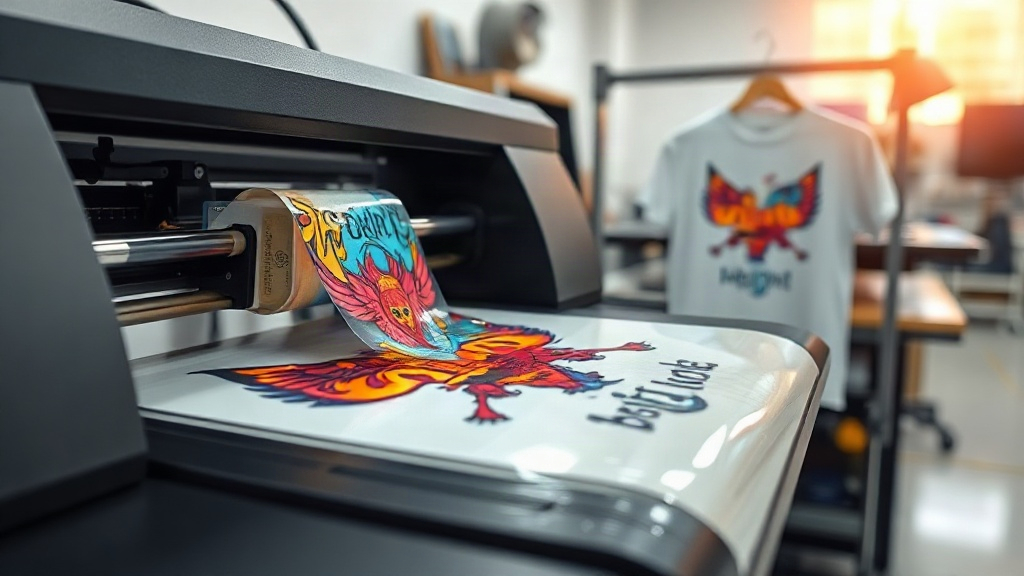
If you're in the print on demand (POD) business, you've probably heard about DTF printing. It's one of the hottest methods for creating custom apparel, and for good reason. Unlike traditional techniques, DTF (Direct to Film) printing lets you transfer detailed, colorful designs onto a wide range of fabrics with impressive durability. Whether you're a seasoned seller or just starting, understanding DTF can give your POD store a serious edge.
In this guide, we'll walk you through everything you need to know about DTF printing: how it works, why it's ideal for POD, and how to get the best results. Let's dive in.
What is DTF Printing?
DTF stands for Direct to Film. It's a printing process where your design is printed onto a special film, then coated with a powder adhesive and heat-pressed onto the fabric. Unlike DTG (Direct to Garment), which prints directly onto the shirt, DTF uses a transfer film as an intermediary. This allows for vibrant colors and fine details on various materials, including cotton, polyester, and blends.
The process involves several steps:
- Design Preparation: Your artwork is prepared digitally, often with a white underbase for opacity.
- Printing: A specialized printer lays down the design onto a PET film using CMYK and white inks.
- Powdering: A thermoplastic powder is applied to the wet ink, then excess powder is shaken off.
- Curing: The film is heated to melt the powder, creating a durable adhesive layer.
- Transfer: The film is placed on the fabric and heat-pressed, transferring the design.
The result is a soft, stretchable print that can withstand repeated washing. Because the film can be stored, DTF is perfect for on-demand production, eliminating the need for minimum orders or inventory.
Why DTF is a Game-Changer for Print on Demand
Print on demand is all about efficiency: you only produce what you sell. DTF aligns perfectly with this model. Here's why:
- No minimums: You can print one-off designs without setup costs, ideal for testing new ideas.
- Fabric versatility: Works on cotton, polyester, blends, and even leather or denim. This expands your product range.
- Vibrant colors: DTF produces bright, opaque prints, even on dark garments, without the need for multiple screens.
- Durability: The prints resist cracking, peeling, and fading, ensuring customer satisfaction.
- Speed: Once you have a heat press, you can fulfill orders quickly, reducing turnaround times.
For POD sellers, these benefits mean lower risk and higher flexibility. You can offer a wider variety of products without holding stock.
DTF vs. Other Printing Methods
How does DTF stack up against DTG, screen printing, and sublimation? Here's a quick comparison:
- DTG: Best for 100% cotton, but can be less vibrant on dark colors and requires pre-treatment. DTF works on more fabrics and often has better color payoff.
- Screen Printing: Cost-effective for bulk orders, but not suitable for POD due to setup costs and minimums. DTF shines for small batches.
- Sublimation: Only works on polyester or specially coated items. DTF adheres to cotton and other materials.
For POD, DTF often wins because it balances quality, cost, and flexibility.
How to Get Started with DTF for Your POD Business
Ready to integrate DTF into your workflow? Follow these steps:
1. Choose the Right Equipment
You'll need a DTF printer, which can range from desktop models to industrial machines. Popular brands include Epson and Roland. Also, invest in a heat press and a curing oven or heat gun. For starters, a combo unit might be cost-effective.
2. Source Quality Supplies
Use high-quality DTF film and powder. Cheap supplies can lead to clogs, poor adhesion, or faded prints. Look for films that are easy to peel and powders with a low melting point.
3. Master the Printing Process
Calibrate your printer for optimal ink density. Too much ink can cause bleeding; too little makes colors dull. Test different settings on scrap fabric. The powdering step is crucial: ensure even coverage and shake off excess thoroughly.
4. Perfect Your Heat Press Technique
Temperature, pressure, and time vary by fabric and film. Typical settings are 160°C (320°F) for 15 seconds with medium pressure. Always pre-press the garment to remove moisture. Peel the film either hot or cold, depending on the film type.
5. Integrate with Your POD Platform
If you use platforms like Shopify, Etsy, or Printful, you can either fulfill in-house or partner with a DTF service. Many POD providers now offer DTF as a printing option. Choose based on your volume and control preferences.
Common DTF Mistakes and How to Avoid Them
Even experienced printers run into issues. Here are pitfalls to watch for:
- Insufficient powder: Leads to poor adhesion. Ensure the ink is fully covered with powder before curing.
- Over-curing: Makes the transfer brittle. Follow the film's guidelines.
- Wrong pressure: Too little pressure causes incomplete transfer; too much spreads the design. Adjust your heat press.
- Skipping pre-press: Moisture in fabric can ruin the transfer. Always pre-press for 5-10 seconds.
- Using low-quality film: Can cause curling or jamming. Invest in reputable brands.
By avoiding these, you'll achieve consistent, professional results.
Frequently Asked Questions about DTF Printing
How long does a DTF print last?
With proper application and care, DTF prints can last 50+ washes without significant fading or cracking. Turn the garment inside out and wash in cold water to extend longevity.
Can I use DTF on any fabric?
DTF works best on cotton, polyester, and blends. It can also adhere to leather, denim, and canvas, but always test on a small area first.
Do I need a special printer for DTF?
Yes, you need a DTF printer that uses pigment inks and has a white ink channel. However, you can also outsource to a DTF service if you don't want to invest in equipment.
Is DTF cost-effective for small businesses?
Absolutely. With no minimums and low waste, DTF is ideal for small businesses and startups. The cost per print decreases as you scale.
How do I store DTF transfers?
Store them in a cool, dry place away from direct sunlight. Use airtight bags to prevent moisture. Properly stored transfers can last up to 6 months.
Final Thoughts
DTF printing is transforming the print on demand industry by offering unparalleled flexibility and quality. Whether you're printing t-shirts, hoodies, or tote bags, DTF delivers vibrant, durable results that customers love. By understanding the process and avoiding common mistakes, you can elevate your POD business and stand out in a competitive market. Give DTF a try and watch your custom apparel line thrive.