
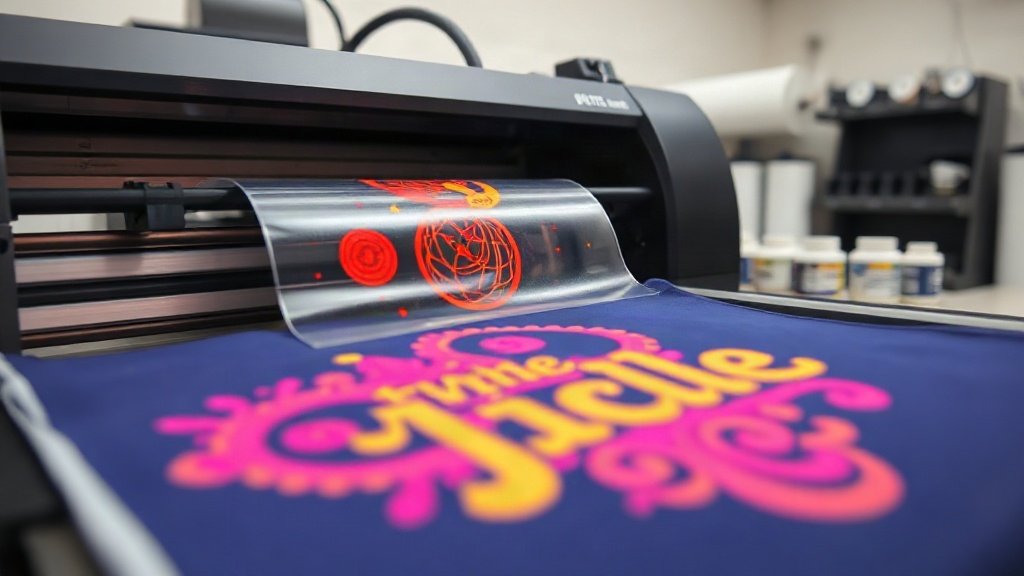
Imagine launching a custom apparel line without investing in expensive equipment or holding inventory. That's the promise of print on demand, and among the many printing methods, DTF (Direct to Film) printing stands out for its versatility and vibrant results. Whether you're a seasoned seller or just starting, understanding DTF printing can give your products a competitive edge. In this guide, we'll explore what DTF printing is, how it works, and why it might be the perfect fit for your print on demand business.
What is DTF Printing?
DTF printing, or Direct to Film, is a digital printing technique where your design is printed onto a special film, coated with adhesive powder, and then heat-pressed onto fabric. Unlike DTG (Direct to Garment) printing, which prints directly onto the garment, DTF transfers can be applied to a wide range of materials, including cotton, polyester, blends, and even leather. This flexibility makes DTF a game-changer for print on demand sellers who want to offer diverse products without inventory headaches.
How DTF Printing Works Step by Step
The DTF process involves several key steps:
- Design Preparation: Your artwork is prepared digitally, with colors adjusted for optimal vibrancy.
- Printing: A specialized DTF printer prints the design onto a PET film using CMYK and white inks.
- Powdering: While the ink is still wet, a thermoplastic adhesive powder is applied evenly over the print.
- Curing: The film passes through a heat source to melt the powder, creating a durable, flexible transfer.
- Transfer: The film is placed on the fabric and heat-pressed, bonding the design permanently.
Each step requires precision, but once mastered, DTF printing yields professional-quality results.
Why DTF Printing is Ideal for Print on Demand
Print on demand businesses thrive on efficiency and low risk. DTF printing aligns perfectly with this model for several reasons.
No Minimum Order Quantities
With DTF, you can print a single transfer or thousands without cost penalties. This means you can offer a vast catalog of designs without holding stock. When a customer orders, you simply press the transfer onto the garment and ship it. No more worrying about unsold inventory or dead stock.
Wide Fabric Compatibility
One of the biggest advantages of DTF is its ability to adhere to almost any fabric. Cotton, polyester, silk, denim, canvas, and even treated leather can all receive DTF transfers. This opens up product possibilities beyond t-shirts: hoodies, tote bags, caps, and more. For print on demand sellers, this means you can diversify your product range without investing in multiple printing technologies.
Vibrant and Durable Prints
DTF prints are known for their bright colors and fine details. The white ink layer ensures that designs pop even on dark fabrics. Moreover, the prints are stretchable and crack-resistant, surviving countless washes. Customers appreciate apparel that looks good and lasts, which boosts satisfaction and repeat business.
Cost-Effective for Small Businesses
Traditional screen printing requires separate screens for each color, making small runs expensive. DTF printing eliminates that, as the design is printed digitally in one go. For print on demand, where orders are typically one-off, this cost efficiency is crucial. You can offer competitive prices while maintaining healthy margins.
DTF vs. Other Printing Methods
To appreciate DTF fully, let's compare it to common print on demand techniques.
DTF vs. DTG
DTG prints directly onto the garment, which works best on 100% cotton. It struggles with polyester and dark colors often require a pretreat. DTF, on the other hand, handles any fabric and doesn't need pretreating. Plus, DTF transfers can be stored and used on demand, offering greater workflow flexibility.
DTF vs. Vinyl
Heat transfer vinyl (HTV) is great for simple designs but limited in color gradients and fine details. DTF excels with complex, multi-color designs, making it superior for photographic images and intricate artwork.
DTF vs. Screen Printing
Screen printing is cost-effective for large batches but not for single items. DTF shines in small runs and customization, perfect for the print on demand model.
Getting Started with DTF Printing for Your POD Business
Ready to incorporate DTF into your print on demand workflow? Here's what you need to know.
Equipment and Supplies
You'll need a DTF printer, DTF film, adhesive powder, and a heat press. Printers range from desktop models to industrial units. For beginners, a reliable desktop DTF printer is a good start. Ensure you use quality film and powder to avoid issues like clogging or poor adhesion.
Design Considerations
Not all designs are created equal for DTF. Keep these tips in mind:
- Resolution: Use high-resolution images (300 DPI) for crisp prints.
- Color Mode: Design in CMYK for accurate color reproduction.
- Background: Remove backgrounds for transparent areas; DTF supports white ink for opacity.
- Size: Ensure your design fits within the printable area of your film.
Workflow Integration
Integrate DTF printing into your existing POD process. For example, you can print transfers in batches and store them for quick application when orders come in. This reduces turnaround time and keeps customers happy.
Common Challenges and How to Overcome Them
Like any technology, DTF has its quirks. Here are common issues and solutions.
Adhesion Problems
If transfers peel, it's often due to insufficient pressure, wrong temperature, or inadequate powdering. Always follow the manufacturer's guidelines for your heat press and DTF materials. Test on scrap fabric first.
Color Accuracy
Colors may appear differently on screen versus print. Use color profiles and soft proofing to manage expectations. Regular calibration of your printer helps maintain consistency.
Film Storage
DTF transfers should be stored in a cool, dry place away from direct sunlight. Humidity can affect the adhesive powder, so keep them sealed until use.
Case Study: How a Small POD Shop Embraced DTF
Take the example of a small Etsy shop specializing in custom pet portraits. They switched from DTG to DTF to offer their designs on various apparel items, including dark hoodies and polyester athletic wear. The result? A 40% increase in product offerings and a 25% boost in sales within three months. The owner credits DTF's versatility and durability for the growth.
Future of DTF in Print on Demand
As technology advances, DTF printers are becoming faster and more affordable. Eco-friendly inks and films are emerging, addressing sustainability concerns. For print on demand entrepreneurs, DTF represents a flexible, scalable solution that meets modern consumer demands for customization and quality.
Frequently Asked Questions About DTF Printing
What fabrics can DTF printing be used on?
DTF printing works on a wide range of fabrics, including cotton, polyester, blends, silk, denim, canvas, and leather. It's particularly effective on materials that are difficult for other printing methods.
Is DTF printing durable?
Yes, DTF prints are highly durable. When applied correctly, they withstand repeated washing without fading, cracking, or peeling. The stretchable adhesive ensures the print moves with the fabric.
Can I use DTF for small orders?
Absolutely. DTF is ideal for small orders and one-offs, making it perfect for print on demand. There's no minimum order quantity, so you can print as few or as many as you need.
How do I care for DTF-printed apparel?
To prolong the life of DTF prints, wash the garment inside out in cold water and tumble dry on low. Avoid ironing directly on the print. Following these simple care instructions will keep the design looking new for years.
What equipment do I need to start DTF printing?
You'll need a DTF printer, DTF film, adhesive powder, and a heat press. Additionally, a computer with design software and a RIP (Raster Image Processor) may be required for optimal printing.