
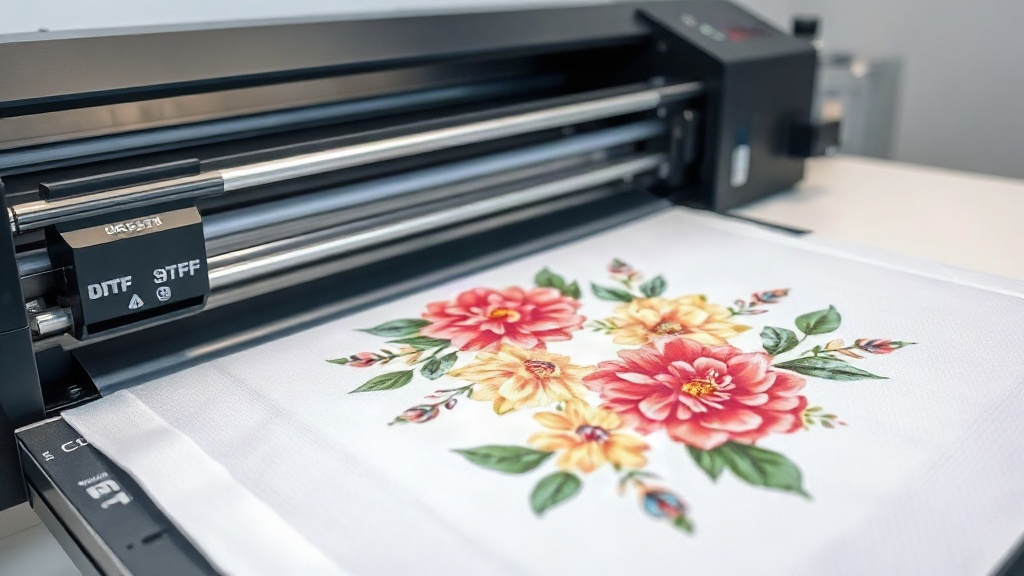
When you run a print-on-demand (POD) business, the printing method you choose directly impacts your product quality, customer satisfaction, and profit margins. Among the various techniques, DTF printing (Direct to Film) has emerged as a game-changer for POD sellers. Unlike DTG or screen printing, DTF allows you to print vibrant, detailed designs on a wide range of fabrics, including cotton, polyester, and blends, without the need for pre-treatment or specialized equipment. In this guide, I'll walk you through everything you need to know about DTF printing for POD, from the step-by-step process to cost analysis and expert tips I've gathered from years of experience.
What is DTF Printing?
DTF printing stands for Direct to Film. It's a digital printing technology where your design is printed onto a special PET film, coated with a hot-melt adhesive powder, and then heat-pressed onto the fabric. The result is a soft, stretchable, and durable print that can adhere to almost any material. This versatility makes DTF a favorite among POD entrepreneurs who want to offer a diverse product range without investing in multiple printing setups.
How DTF Works: Step-by-Step
Understanding the DTF workflow is crucial for achieving professional results. Here's a breakdown of the process:
- Design Preparation: Create your artwork in a graphics program and mirror it horizontally. This ensures the text and images appear correctly after transfer.
- Printing: Load the PET film into a DTF printer equipped with pigment inks (CMYK plus white). The printer lays down the color layers followed by a white base layer.
- Powder Application: While the ink is still wet, apply hot-melt adhesive powder evenly over the printed area. Shake off excess powder.
- Curing: Place the film in a curing oven or under a heat press for a few minutes to melt the powder. This step is critical for wash durability.
- Transfer: Set your heat press to the recommended temperature (usually 150-160°C) and press the film onto the fabric for 10-15 seconds. Peel the film off either hot or cold, depending on the film type.
Each step requires attention to detail, but once mastered, DTF printing becomes a fast and reliable method for fulfilling POD orders.
Why DTF is Ideal for Print on Demand
Print on demand is all about efficiency and flexibility. DTF printing excels in both areas. Here's why:
- No Minimum Orders: You can print one-off designs without setup costs, perfect for POD's on-demand model.
- Fabric Versatility: Works on cotton, polyester, nylon, leather, and even treated wood. This means you can offer t-shirts, hoodies, tote bags, and more.
- Vibrant Colors: DTF produces bright, opaque prints with fine details, thanks to the white ink base.
- Durability: When properly cured, DTF prints withstand repeated washing without cracking or fading.
- Cost-Effective: Compared to DTG, DTF has lower ink costs and no pre-treatment requirements, reducing overhead.
In my own POD store, switching to DTF cut production time by 30% and allowed me to expand into dark and synthetic fabrics, which were previously challenging.
DTF vs. Other Printing Methods for POD
To make an informed decision, let's compare DTF with other common POD printing methods.
DTF vs. DTG (Direct to Garment)
DTG prints directly onto the fabric, but it requires pre-treatment and works best on 100% cotton. DTF doesn't need pre-treatment and adheres to more materials. However, DTG can feel softer on the garment, while DTF has a slight texture. For POD, DTF offers greater versatility.
DTF vs. Screen Printing
Screen printing is cost-effective for bulk orders but has setup costs and is impractical for one-offs. DTF shines for small batches and custom designs, aligning perfectly with POD.
DTF vs. Sublimation
Sublimation only works on light-colored polyester and requires special coatings. DTF works on dark colors and cotton, making it more versatile for POD product ranges.
Cost Analysis: Is DTF Profitable for POD?
Let's break down the costs involved in DTF printing to see if it's viable for your POD business.
- Equipment: A decent DTF printer costs between $3,000 and $10,000. You'll also need a heat press ($300-$1,000), a curing oven ($500-$2,000), and a powder shaker ($500-$1,500).
- Consumables: PET film ($0.20-$0.50 per sheet), DTF ink ($50-$100 per liter), and hot-melt powder ($20-$40 per kilogram).
- Labor: If you do it yourself, labor is free, but factor in time. Outsourcing to a DTF service costs $2-$5 per print.
On average, a single DTF transfer for a t-shirt costs around $1-$2 in materials. If you sell the shirt for $25, your profit margin is healthy. However, you must factor in shipping and platform fees. Many POD sellers find that DTF becomes more profitable as order volume increases.
Choosing the Right DTF Printer and Supplies
Investing in quality equipment is key to success. Here are my recommendations based on experience:
- Printer: Look for a printer with a reliable printhead (e.g., Epson i3200) and a white ink circulation system to prevent clogging. Brands like Ving, Mutoh, and Roland are popular.
- Film: Choose double-sided matte film for better powder adhesion. Single-sided film can work but may require more careful handling.
- Powder: Use a fine-grain hot-melt powder (80-170 microns) for smooth results. Coarse powder can feel gritty.
- Ink: Always use DTF-specific pigment ink. Using other inks can clog the printhead and ruin prints.
Don't skimp on supplies. Cheap film or powder can lead to failed transfers and unhappy customers.
Common Challenges and How to Overcome Them
Even with the best equipment, you might face issues. Here are common problems and solutions:
- Clogged Printhead: Perform regular maintenance, use a humidifier, and never let the printer sit idle for long periods.
- Poor Adhesion: Ensure the powder is fully cured and the heat press is at the correct temperature and pressure.
- Cracking: This usually happens if the print is stretched too much or under-cured. Adjust curing time and temperature.
- Color Accuracy: Calibrate your printer and use ICC profiles for consistent colors.
I learned these lessons the hard way, but with practice, you can achieve near-perfect results.
Expert Tips for Scaling Your DTF POD Business
Once you've mastered the basics, you can scale up. Here are some tips:
- Batch Your Prints: Print multiple designs on one film to save time and materials.
- Automate Order Fulfillment: Integrate your store with POD software that sends orders directly to your DTF workflow.
- Offer Customization: Allow customers to upload their own designs. DTF is perfect for personalized products.
- Market to Niches: Target specific audiences (e.g., pet lovers, sports fans) with unique designs.
- Monitor Trends: Use tools like Google Trends to identify popular themes and create designs accordingly.
By following these strategies, you can turn your DTF POD business into a profitable venture.
Frequently Asked Questions
What fabrics can I use with DTF printing?
DTF works on a wide range of fabrics, including cotton, polyester, blends, nylon, leather, and even some treated woods. It's one of the most versatile printing methods available.
How durable is DTF printing?
When properly applied and cured, DTF prints are highly durable. They can withstand 50+ washes without significant fading or cracking. Always follow wash instructions (inside out, cold water) to prolong life.
Do I need a special printer for DTF?
Yes, you need a dedicated DTF printer that uses pigment inks and has a white ink channel. You can also convert some Epson printers, but a purpose-built DTF printer is recommended for reliability.
Is DTF printing cost-effective for small businesses?
Absolutely. With no minimum orders and low material costs per print, DTF is ideal for small businesses and startups. The initial equipment investment pays off as you scale.
Can I use DTF for dark and light garments?
Yes, DTF excels on both dark and light garments because the white ink base provides opacity. This is a major advantage over DTG or sublimation.