
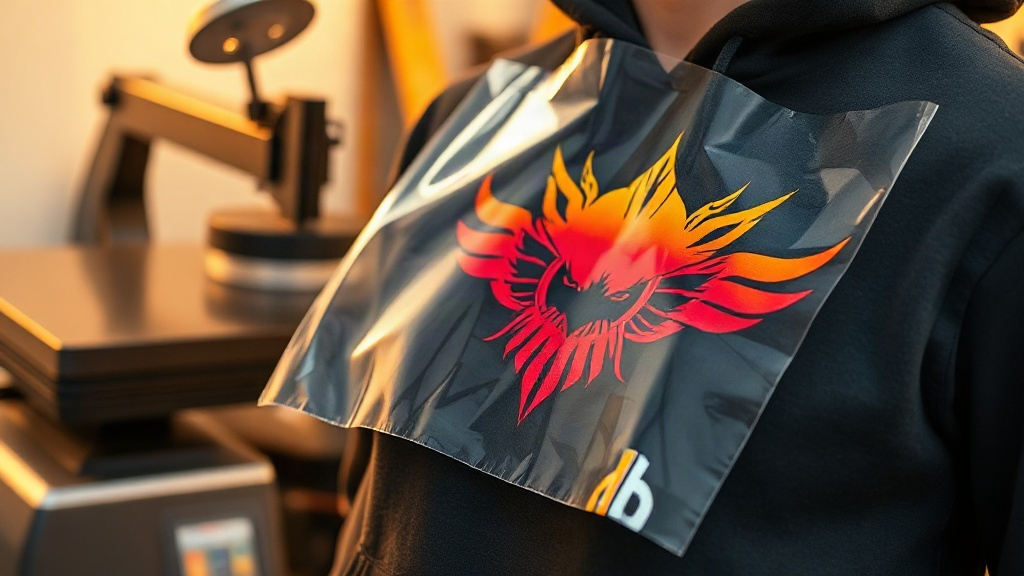
Imagine pressing a vibrant, full-color design onto a dark cotton hoodie with the ease of a simple heat press. That's the magic of DTF transfers. Unlike traditional methods that limit your fabric choices or require minimum orders, DTF transfers open a world of possibilities for personalizing t-shirts, tote bags, and more. Whether you're a small business owner, a hobbyist, or a professional printer, understanding DTF transfers can elevate your game. In this guide, we'll dive deep into what DTF transfers are, how they work, and why they might be the perfect solution for your next project.
What Are DTF Transfers?
DTF stands for Direct to Film. It's a printing technology where your design is printed onto a special PET film using water-based inks, then coated with a hot-melt adhesive powder. Once the powder is cured, the transfer is ready to be applied to fabric using a heat press. The result is a soft, flexible, and durable print that adheres to a wide range of materials, including cotton, polyester, blends, and even leather. Unlike DTG (Direct to Garment) printing, which requires pre-treatment and works best on 100% cotton, DTF transfers can be used on almost any fabric without pre-treatment. This versatility makes them a favorite among crafters and commercial printers alike.
How DTF Transfers Work: Step by Step
Understanding the process helps you appreciate the technology and troubleshoot issues. Here's a breakdown of the DTF transfer workflow:
- Design Preparation: Create your artwork in a graphics program, ensuring it's mirrored (unless your printer software does it automatically).
- Printing: The design is printed onto a PET film using a DTF printer with CMYK and white inks. The white ink acts as a base for vibrant colors on dark fabrics.
- Powder Application: While the ink is still wet, a hot-melt adhesive powder is sprinkled over the film. The excess powder is shaken off.
- Curing: The film is heated to melt the powder, creating a smooth, dry adhesive layer. This can be done in an oven or with a heat press.
- Transfer: The cured film is placed on the fabric and pressed with a heat press at a specific temperature and time. After pressing, the film is peeled off (hot or cold peel, depending on the film type), leaving the design behind.
Each step requires attention to detail, but once mastered, the process is efficient and repeatable.
Why Choose DTF Transfers Over Other Printing Methods?
If you're wondering whether DTF is right for you, consider these advantages:
- Fabric Versatility: Works on cotton, polyester, blends, nylon, leather, and more. No need for multiple printing methods.
- No Pre-Treatment: Saves time and money compared to DTG, which requires pre-treating dark garments.
- Vibrant Colors: The white ink base allows for bright, opaque colors on dark backgrounds.
- Durability: When applied correctly, DTF prints withstand repeated washing without cracking or fading.
- Cost-Effective for Small Runs: No minimum order quantities, making it ideal for one-off custom items.
- Soft Hand Feel: The prints are thin and flexible, not plasticky like some vinyl transfers.
However, DTF isn't perfect for every scenario. For example, if you need a print that stretches significantly with the fabric, DTF may not be the best choice. But for most applications, it's a game-changer.
DTF vs. Other Transfer Methods: A Quick Comparison
Let's see how DTF stacks up against common alternatives:
- DTF vs. DTG: DTG requires pre-treatment and works best on cotton. DTF works on more fabrics and has a softer feel on dark colors.
- DTF vs. Screen Printing: Screen printing is cost-effective for large orders but has setup costs and limited colors. DTF excels for small runs and full-color designs.
- DTF vs. Vinyl (HTV): HTV is great for simple designs but limited in color and detail. DTF handles complex, multi-color graphics with ease.
- DTF vs. Sublimation: Sublimation only works on polyester and light-colored fabrics. DTF works on almost anything.
Each method has its place, but DTF's versatility makes it a strong contender for many projects.
Applications of DTF Transfers
DTF transfers are used in a variety of industries and personal projects:
- Custom Apparel: T-shirts, hoodies, jeans, jackets, and activewear.
- Accessories: Tote bags, hats, socks, and even shoes.
- Home Decor: Pillows, blankets, and wall hangings.
- Promotional Items: Company logos on uniforms or giveaways.
- Small Business: On-demand printing for e-commerce stores.
The possibilities are endless, limited only by your creativity.
Tips for Successful DTF Transfer Application
To get the best results, follow these best practices:
- Use Quality Materials: Invest in a reliable DTF printer, films, and powder. Cheap supplies can lead to poor adhesion and durability.
- Calibrate Your Heat Press: Temperature, pressure, and time are critical. Always test with a sample fabric.
- Pre-Press Fabric: Remove moisture and wrinkles before applying the transfer.
- Peel at the Right Temperature: Some films require hot peel, others cold. Follow the manufacturer's instructions.
- Post-Press for Durability: A second press with a cover sheet can improve washability.
- Wash Inside Out: Advise customers to wash garments inside out in cold water and avoid bleach.
With practice, you'll develop a feel for what works best with your equipment.
Common Challenges and How to Overcome Them
Even experienced users face issues. Here are some common problems and solutions:
- Adhesion Issues: Ensure the powder is fully cured and the press pressure is adequate. Increase pressure or temperature slightly.
- Cracking: Usually caused by under-curing or over-stretching. Make sure the transfer is fully cured and avoid stretching the fabric after printing.
- Color Fading: Use high-quality inks and follow wash care instructions.
- Film Sticking: Allow the transfer to cool before peeling if it's a cold-peel film.
Don't get discouraged; troubleshooting is part of the learning curve.
Frequently Asked Questions About DTF Transfers
What fabrics can I use with DTF transfers?
DTF transfers work on a wide range of fabrics, including cotton, polyester, cotton-poly blends, nylon, leather, and even some synthetic materials. They are particularly effective on dark colors because of the white ink base.
How long do DTF transfers last?
When applied correctly and cared for properly, DTF transfers can last as long as the garment itself. They withstand dozens of washes without significant fading or cracking. Always follow wash care instructions to maximize longevity.
Do I need a special printer for DTF transfers?
Yes, you need a DTF printer that uses DTF inks and can print white ink. However, you can also buy pre-printed DTF transfers from suppliers if you don't want to invest in a printer.
Can I apply DTF transfers with a home iron?
While it's possible to use a home iron, it's not recommended because achieving consistent temperature and pressure is difficult. A heat press is essential for professional results and durability.
Are DTF transfers safe for children's clothing?
Yes, DTF transfers are safe for children's clothing as long as the inks and powders used are non-toxic and comply with safety regulations. Always source materials from reputable suppliers.
Conclusion
DTF transfers are a versatile and powerful tool for anyone looking to create custom apparel. With their ability to print on almost any fabric, vibrant colors, and durable results, they have become a go-to method for small businesses and hobbyists alike. By understanding the process, choosing quality supplies, and following best practices, you can achieve professional-looking results that impress. Whether you're just starting or looking to expand your offerings, DTF transfers are worth exploring. So why not give them a try? Your creativity is the only limit.