
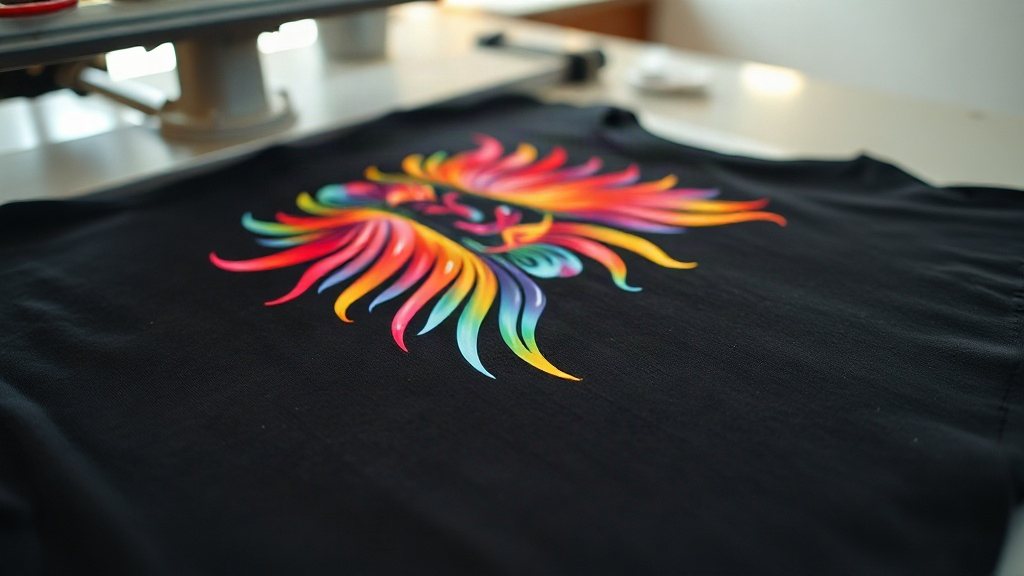
Imagine pressing a design onto a cotton t-shirt, then a polyester hoodie, and even a nylon jacket, all with the same vivid detail and soft feel. That's the promise of DTF transfers, a technology that has quickly become a go-to for apparel decorators who want flexibility without sacrificing quality. Whether you're a small business owner, a hobbyist, or a professional printer, understanding DTF transfers can open up new creative and commercial possibilities.
What Are DTF Transfers?
DTF stands for Direct-to-Film. It's a printing method where your design is printed onto a special film using water-based pigments, then coated with a hot-melt adhesive powder. After curing, the transfer is ready to be applied to fabric using a heat press. Unlike DTG (Direct-to-Garment) printing, which requires the garment to be pre-treated and printed directly, DTF transfers are printed separately and can be stored for later use.
The magic of DTF lies in its versatility. Because the design sits on a transfer film, you can apply it to a wide range of fabrics, including cotton, polyester, blends, and even leather. The adhesive powder ensures a strong bond that survives repeated washing.
How DTF Transfers Work: Step by Step
Understanding the process helps you troubleshoot and achieve consistent results. Here's a breakdown of the key stages.
1. Design Preparation
Start with a high-resolution image. DTF printers use CMYK plus white ink, so your design should be in a compatible format. The white ink layer is crucial for opacity on dark garments. Most RIP software will handle color separation automatically, but it's wise to check that your design has no semi-transparent areas unless intended.
2. Printing onto Film
The printer lays down the color inks first, followed by a layer of white ink. The film is coated with a release agent that allows the ink to transfer later. This step requires a dedicated DTF printer and quality film. Environmental conditions like humidity and temperature can affect ink adhesion, so maintain a stable workspace.
3. Powder Application
While the ink is still wet, you sprinkle hot-melt adhesive powder over the print. The powder sticks to the wet ink. Excess powder is shaken off, and the film goes into a curing oven or under a heat source to melt the powder. This creates a adhesive layer that will bond to the fabric.
4. Curing
Curing is critical. The powder must melt completely and form a smooth, slightly glossy layer. Under-curing leads to poor wash durability; over-curing can cause the film to warp or the ink to discolor. Follow your powder and film manufacturer's recommendations for temperature and time.
5. Transferring to Garment
Set your heat press to the recommended temperature (usually 300-320°F) and pressure (medium to high). Pre-press the garment to remove moisture. Place the transfer face down, cover with a protective sheet, and press for 10-15 seconds. Peel the film while hot or cold, depending on the film type. A cold peel often yields a smoother finish.
Why Choose DTF Transfers?
DTF has several advantages over other decoration methods. Here are the main benefits that make it a favorite among professionals.
- Fabric versatility: Works on cotton, polyester, blends, nylon, leather, and more. No need for separate inks or pre-treatment.
- Vibrant colors: The white ink base allows bright, opaque prints on dark garments.
- Soft feel: When applied correctly, the print has a soft hand and stretches with the fabric.
- Durability: Properly cured transfers withstand dozens of washes without cracking or fading.
- Cost-effective for small batches: No minimums, and you can print on demand.
- Storage: Unused transfers can be stored for weeks or months, making inventory management easier.
DTF vs. Other Printing Methods
How does DTF stack up against screen printing, DTG, and vinyl? Each has its place, but DTF shines in certain scenarios.
DTF vs. Screen Printing
Screen printing is cost-effective for large orders of the same design, but setup costs and color limitations make it less ideal for small runs or complex designs. DTF requires no screens and handles full-color graphics with ease. However, screen printing can offer a softer feel and lower cost per unit at high volumes.
DTF vs. DTG
DTG is excellent for 100% cotton and produces a very soft print, but it requires pre-treatment and can be slow. DTF works on more fabrics and doesn't need pre-treatment, but the print may have a slightly thicker feel due to the adhesive layer. DTF also allows you to print transfers in advance, which is great for rush orders.
DTF vs. Heat Transfer Vinyl
HTV is great for simple, single-color designs and names. It's durable and easy to use, but layering multiple colors can be time-consuming. DTF handles complex, multi-color designs in one press, saving labor.
Applications of DTF Transfers
DTF is not just for t-shirts. Its versatility makes it suitable for a wide range of products.
- Apparel: T-shirts, hoodies, polos, jackets, and even denim.
- Accessories: Tote bags, hats, and backpacks.
- Home goods: Pillows, blankets, and canvas prints.
- Promotional items: Corporate uniforms, event merchandise, and team wear.
Because DTF adheres to many surfaces, you can experiment with different materials, but always test first.
Tips for Perfect DTF Transfers
Even with a good setup, small details can make or break the final result. Here are some expert tips to ensure success.
Choose the Right Film and Powder
Not all films and powders are created equal. Cheaper films may cause ink transfer issues or poor durability. Invest in reputable brands and match the powder to your ink type. Some powders are finer for detailed designs, while others are coarser for better adhesion on stretchy fabrics.
Control Your Environment
Humidity can cause the powder to clump or the film to curl. Aim for a relative humidity between 40-60% and a temperature around 68-75°F. If you're in a humid climate, consider a dehumidifier.
Master the Heat Press
Consistency is key. Use a heat press with accurate temperature control and even pressure. Too little pressure and the transfer won't adhere; too much and the adhesive may squeeze out, causing a messy edge. Always pre-press the garment to remove wrinkles and moisture.
Peel at the Right Temperature
Some films require hot peel, others cold peel. Hot peel means you remove the film immediately after pressing while it's still hot. Cold peel means you wait until it cools down. Using the wrong method can ruin the transfer. Check your film's instructions.
Wash and Care
To extend the life of your DTF-printed garments, wash them inside out in cold water and tumble dry low. Avoid ironing directly on the print. Following these care instructions will keep the design looking new for years.
Common Challenges and Solutions
Like any technology, DTF has its quirks. Here are some common issues and how to fix them.
Ink Cracking After Wash
This usually indicates under-curing of the powder or insufficient pressure during transfer. Increase curing time or temperature, and ensure your heat press applies even pressure.
Poor Adhesion
If the transfer peels off, it could be due to a dirty garment, insufficient pressure, or wrong temperature. Pre-press the garment to remove oils and moisture, and double-check your settings.
Dull Colors
Dull colors may result from too much white ink or over-curing. Adjust your white ink layer in the RIP software and lower curing temperature if possible.
Film Not Peeling Smoothly
This can happen if the film is too hot or too cold. Experiment with peel temperature, and ensure the film is compatible with your powder.
Frequently Asked Questions
What fabrics can DTF transfers be applied to?
DTF transfers work on a wide range of fabrics, including cotton, polyester, cotton-poly blends, nylon, leather, and even some synthetic materials. They are particularly useful for dark garments because the white ink base provides opacity.
How long do DTF transfers last?
When applied correctly with proper curing and pressing, DTF transfers can last as long as the garment itself. They typically withstand 50+ washes without significant fading or cracking. Following care instructions is key to longevity.
Can I use DTF transfers on mugs or other hard surfaces?
DTF is primarily designed for fabrics. While some people experiment with hard surfaces, the adhesion may not be as strong. For mugs and hard goods, sublimation or UV DTF (a different process) is more suitable.
Do I need a special printer for DTF?
Yes, DTF requires a dedicated DTF printer that uses pigment inks and white ink. You can also purchase pre-printed transfers from suppliers if you don't want to invest in a printer.
Is DTF transfers cost-effective for small businesses?
Absolutely. DTF has low setup costs and no minimum order quantities, making it ideal for small businesses, startups, and on-demand printing. The cost per transfer is affordable, and you can print as needed.
DTF transfers are a game-changer for anyone in the custom apparel industry. With their versatility, durability, and vibrant results, they offer a practical solution for a wide range of projects. By understanding the process and following best practices, you can deliver high-quality products that keep customers coming back.