
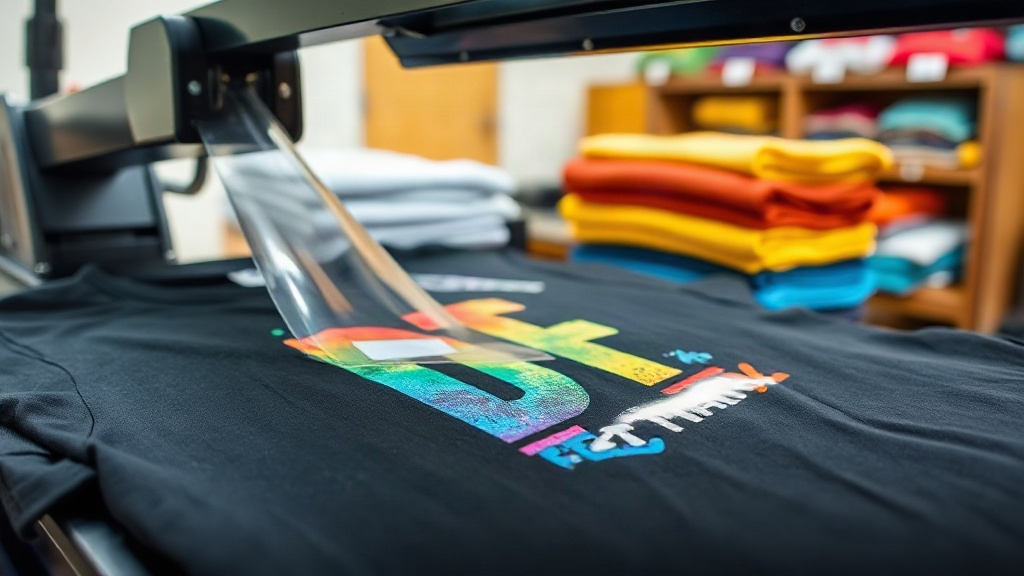
Imagine pressing a vibrant, full-color design onto a cotton T-shirt, a polyester hoodie, or even a nylon jacket, all with the same effortless process. That's the power of DTF transfers. Unlike traditional screen printing or vinyl, DTF (Direct to Film) technology opens up a world of possibilities for custom apparel creators, small businesses, and hobbyists alike. Whether you're looking to start a clothing brand or simply want to personalize your own wardrobe, understanding DTF transfers is your ticket to professional-looking results without the steep learning curve.
What Are DTF Transfers?
DTF stands for Direct to Film. It's a printing method where your design is printed onto a special PET film using a DTF printer, then coated with a hot-melt adhesive powder. Once the powder is cured, the transfer is ready to be applied to fabric using a heat press. The magic lies in the adhesive: it bonds the ink to the fabric, creating a flexible, stretchable, and durable print that feels soft to the touch.
Unlike DTG (Direct to Garment) printing, which requires pre-treatment and works best on cotton, DTF transfers can be applied to almost any fabric, including blends, polyester, and even leather. This versatility makes DTF a game-changer for anyone in the custom apparel industry.
How DTF Transfers Work: Step by Step
Curious about the process? Here's a breakdown of how DTF transfers are created and applied.
1. Design Preparation
Start with your artwork in a digital format. DTF printers use CMYK plus white ink, so you can print full-color designs without worrying about color separation. The white ink acts as a base, allowing the colors to pop on both light and dark fabrics.
2. Printing onto Film
The design is printed onto a PET film. The printer lays down a layer of white ink first, followed by the color layers. This ensures that the design is opaque and vibrant, even on dark backgrounds.
3. Powder Application
While the ink is still wet, a hot-melt adhesive powder is sprinkled over the film. The powder sticks to the wet ink. Excess powder is shaken off, leaving a thin, even layer only where the design is.
4. Curing
The film is then heated to melt the powder, creating a smooth, dry surface. This step is crucial: under-curing leads to poor adhesion, while over-curing can cause the powder to become brittle. A heat gun or a dedicated curing oven can be used.
5. Transfer Application
Finally, the transfer is placed onto the fabric and pressed with a heat press. The heat and pressure activate the adhesive, bonding the design to the fabric. After pressing, the film is peeled away (hot or cold peel, depending on the film type), leaving a stunning, durable print.
Why Choose DTF Transfers?
DTF transfers have quickly become a favorite among apparel decorators. Here's why:
- Versatility: Works on cotton, polyester, blends, leather, and more.
- No Pre-treatment: Saves time and equipment costs compared to DTG.
- Vibrant Colors: The white ink base ensures bright, opaque designs on any color fabric.
- Durability: Prints withstand repeated washing without cracking or fading.
- Cost-Effective for Short Runs: No minimum order quantities, ideal for small businesses and custom orders.
- Soft Feel: The prints are flexible and lightweight, not stiff like some other methods.
DTF vs. Other Printing Methods
How does DTF stack up against screen printing, DTG, and vinyl? Let's compare.
DTF vs. Screen Printing
Screen printing is cost-effective for large orders but requires separate screens for each color, making it expensive for complex designs or small batches. DTF shines for full-color, detailed designs and short runs, with no setup fees.
DTF vs. DTG
DTG works best on 100% cotton and requires pre-treatment. DTF works on almost any fabric and often has a softer hand feel. DTG can be faster for single items, but DTF offers more versatility.
DTF vs. Vinyl
Heat transfer vinyl (HTV) is great for simple, single-color designs but is labor-intensive for multi-color graphics. DTF handles complex, multi-color designs with ease and offers better durability.
Applications of DTF Transfers
From custom T-shirts to branded workwear, DTF transfers are used in a variety of applications:
- Custom apparel for events, teams, and businesses
- Personalized gifts (birthday shirts, bachelorette party gear)
- Fashion brands and streetwear
- Promotional products and corporate uniforms
- Home decor (pillows, tote bags)
Tips for Successful DTF Transfers
To get the best results, keep these expert tips in mind:
- Choose the right film: Not all DTF films are created equal. Look for films that match your printer and desired finish (matte, glossy).
- Control your powder: Use a powder shaker for even distribution. Too much powder can lead to a rough feel; too little causes poor adhesion.
- Cure properly: Follow the manufacturer's recommendations for curing temperature and time. Invest in a good heat gun or oven.
- Press parameters: Typical settings are 325°F for 15 seconds with medium pressure. Always test with a scrap fabric first.
- Peel correctly: Some films require hot peel, others cold. Check the film's instructions.
- Wash inside out: To prolong the life of your print, wash garments inside out in cold water and avoid fabric softeners.
Common Mistakes to Avoid
Even seasoned pros can slip up. Here are pitfalls to watch for:
- Under-curing the powder: This leads to the design peeling off after a few washes. Ensure the powder is fully melted and glossy.
- Using too much pressure: This can cause the ink to spread, resulting in a blurry image. Medium pressure is usually sufficient.
- Not pre-pressing the garment: Moisture in the fabric can ruin the transfer. Always pre-press for a few seconds to remove wrinkles and moisture.
- Incorrect peeling: Peeling too early or too late can distort the design. Follow the film's guidelines.
Frequently Asked Questions About DTF Transfers
How long do DTF transfers last?
With proper application and care, DTF transfers can last as long as the garment itself. They are highly durable and resistant to cracking, peeling, and fading. Washing inside out in cold water and avoiding harsh chemicals will extend their life.
Can I apply DTF transfers to any fabric?
Yes, DTF transfers work on a wide range of fabrics, including cotton, polyester, blends, leather, and even some nylons. However, for stretchy fabrics, ensure the transfer is also stretchable to prevent cracking.
Do I need a special printer for DTF?
You need a DTF printer that uses DTF inks (CMYK plus white) and can print onto PET film. Many converted Epson printers are popular for DTF. Alternatively, you can outsource your printing to a DTF service and apply the transfers yourself.
What is the difference between DTF and DTG?
DTG prints directly onto the garment, while DTF prints onto a film that is then transferred. DTF offers more fabric versatility and doesn't require pre-treatment, but DTG can be more cost-effective for 100% cotton items in large quantities.
How do I store DTF transfers?
Store unused DTF transfers in a cool, dry place, away from direct sunlight. Keep them flat or rolled to avoid creases. Properly stored, they can last for several months.