
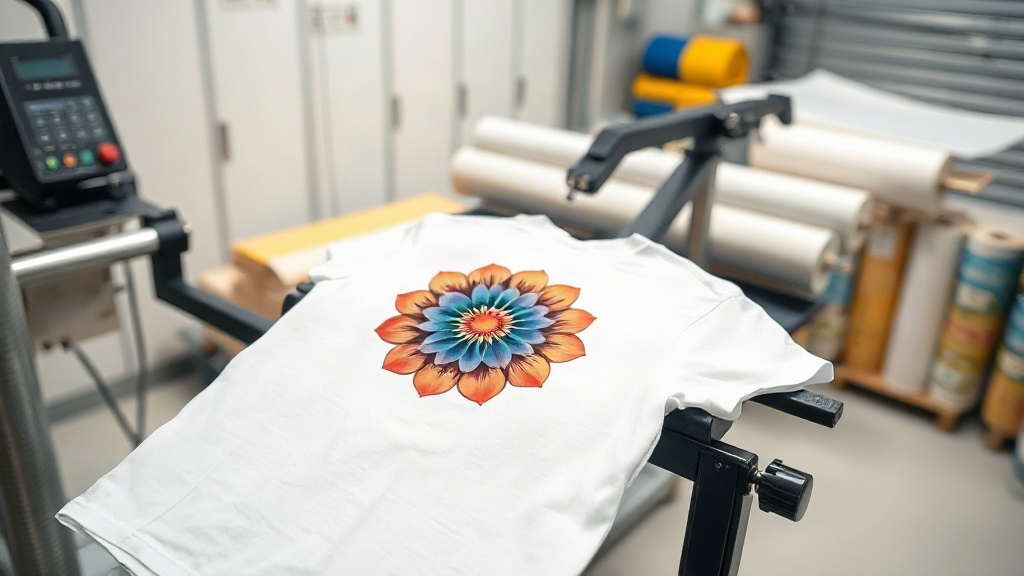
If you've been in the custom apparel game for any length of time, you've likely heard the buzz around DTF transfers. This printing method has taken the industry by storm, and for good reason. Unlike traditional screen printing or vinyl cutting, DTF transfers offer a unique combination of versatility, durability, and stunning color reproduction that works on almost any fabric. Whether you're a small business owner looking to expand your product line, a hobbyist wanting to create professional-grade shirts, or a seasoned decorator seeking a more efficient workflow, understanding DTF transfers is essential. In this guide, we'll dive deep into what DTF transfers are, how they work, and why they might just become your new go-to decoration method.
What Are DTF Transfers?
DTF stands for Direct to Film. It's a printing technology where your design is printed onto a special PET film using water-based inks, then coated with a hot-melt adhesive powder. Once the powder is cured, the transfer is ready to be applied to fabric using a heat press. The magic of DTF transfers lies in their ability to bond with the fabric fibers, creating a soft, stretchable, and incredibly durable print.
Unlike DTG (Direct to Garment) printing, which requires pre-treatment and works best on 100% cotton, DTF transfers can be applied to a wide range of materials, including cotton, polyester, blends, and even leather. This opens up a world of possibilities for decorating items like t-shirts, hoodies, tote bags, and more.
How DTF Transfers Work: Step by Step
Understanding the process behind DTF transfers will help you appreciate their value and troubleshoot any issues. Here's a breakdown of the key steps:
- Design Preparation: Your artwork is prepared in a graphics program, ensuring it's mirrored and sized appropriately. DTF printers use CMYK plus white ink, so vibrant colors and fine details are possible.
- Printing: The design is printed onto a sheet of PET film. First, the white ink layer is applied (if needed), followed by the color layers. This layering creates opacity and brightness.
- Powdering: While the ink is still wet, a hot-melt adhesive powder is sprinkled evenly over the print. The excess powder is shaken off, leaving a thin, even layer adhering to the ink.
- Curing: The film passes through a curing oven or under a heat source to melt the powder. This step is crucial for creating a durable bond.
- Transfer Application: The cured transfer is placed on the garment and pressed with a heat press at specific temperature, pressure, and time settings. Once cooled, the film is peeled away, leaving the design behind.
Each step requires attention to detail, but once mastered, the process is efficient and repeatable.
Why Choose DTF Transfers Over Other Methods?
With so many decoration options available, you might wonder what makes DTF transfers stand out. Here are the key advantages:
- Fabric Versatility: Works on cotton, polyester, blends, nylon, leather, and more. No need for separate inventories for different materials.
- No Weeding or Cutting: Unlike heat transfer vinyl (HTV), DTF transfers don't require weeding, saving hours of tedious work.
- Vibrant Colors and Fine Details: DTF printers can reproduce complex gradients, photographic images, and thin lines with impressive accuracy.
- Durability: When applied correctly, DTF prints resist cracking, peeling, and fading even after multiple washes.
- Soft Hand Feel: The prints are thin and flexible, moving with the fabric without feeling heavy or plastic-like.
- Cost-Effective for Short Runs: No setup fees or minimums, making it ideal for small batches and personalized items.
These benefits make DTF transfers a favorite among crafters and commercial decorators alike.
Applications of DTF Transfers
The versatility of DTF transfers means they can be used for a wide range of products. Beyond the obvious t-shirts and hoodies, consider these applications:
- Sportswear: Jerseys, leggings, and performance wear benefit from the stretchability and moisture resistance of DTF prints.
- Corporate Apparel: Uniforms, polos, and jackets with company logos look professional and withstand frequent washing.
- Accessories: Tote bags, backpacks, and hats can be customized with detailed designs.
- Home Decor: Pillows, blankets, and even canvas prints can feature DTF transfers for a personalized touch.
- Promotional Items: Event merchandise, giveaways, and branded items gain a premium look.
If you can heat press it, you can likely apply a DTF transfer to it.
DTF Transfers vs. Other Printing Methods
To truly appreciate DTF transfers, it helps to compare them with alternatives:
DTF vs. DTG
DTG printing is excellent for 100% cotton and offers a soft feel, but it requires pre-treatment, can be slow, and struggles with polyester. DTF transfers, on the other hand, work on almost any fabric without pre-treatment and often have brighter colors.
DTF vs. Screen Printing
Screen printing is cost-effective for large orders of simple designs, but it involves setup costs and is limited in color blending. DTF transfers excel at complex, multi-color designs and short runs, with no minimums.
DTF vs. HTV
HTV is great for simple shapes and text, but weeding is time-consuming, and layering multiple colors can make the design thick. DTF transfers eliminate weeding and produce a thinner, more detailed print.
Each method has its place, but DTF transfers offer a unique blend of flexibility and quality that's hard to beat.
How to Apply DTF Transfers: Best Practices
Applying DTF transfers correctly is key to achieving professional results. Follow these best practices:
1. Choose the Right Heat Press
A quality heat press with consistent temperature and pressure is essential. Clamshell, swing-away, or draw-style presses all work, but ensure the platen is large enough for your design.
2. Set the Correct Parameters
Temperature, pressure, and time vary by transfer supplier and fabric. Typical settings are 300-325°F (150-160°C) for 10-15 seconds with medium pressure. Always test with a sample first.
3. Pre-Press the Garment
Pre-pressing removes moisture and wrinkles, ensuring a smooth surface for the transfer. This step also helps the adhesive bond better.
4. Position and Press
Place the transfer with the design facing up (unless your transfer requires a different orientation). Cover with a Teflon sheet or parchment paper to protect the press and the transfer.
5. Peel and Post-Press
After pressing, allow the transfer to cool completely before peeling (cold peel) or peel while hot (hot peel) depending on the film type. A second press for a few seconds after peeling can enhance durability.
Following these steps will give you vibrant, long-lasting results.
Common Mistakes to Avoid with DTF Transfers
Even experienced decorators can run into issues. Here are common pitfalls and how to avoid them:
- Insufficient Pressure: Leads to poor adhesion and early peeling. Ensure your press applies even, medium pressure.
- Wrong Temperature: Too low, and the adhesive won't activate; too high, and the film may scorch or the ink may crack.
- Not Pre-Pressing: Moisture in the fabric can cause steam bubbles and weak bonds.
- Peeling Too Soon or Too Late: Follow the film's instructions for hot vs. cold peel to avoid disrupting the print.
- Stretching the Transfer: Handle the transfer carefully; stretching can distort the design.
By being mindful of these details, you'll minimize waste and maximize quality.
Frequently Asked Questions About DTF Transfers
How durable are DTF transfers?
When applied correctly, DTF transfers are highly durable, often lasting 50+ washes without significant fading, cracking, or peeling. Proper washing inside out in cold water and avoiding bleach will extend their life.
Can I use DTF transfers on dark and light fabrics?
Absolutely. DTF transfers include a white ink layer that provides opacity, so they show up vividly on both dark and light garments. The white layer acts as a base for the colors.
Do I need a special printer for DTF transfers?
Yes, DTF printing requires a dedicated DTF printer that uses DTF inks and can handle the film. However, you can also purchase pre-printed DTF transfers from suppliers if you don't want to invest in a printer.
What fabrics work best with DTF transfers?
DTF transfers work on a wide range of fabrics, including cotton, polyester, cotton-poly blends, nylon, leather, and even some synthetics. They are particularly popular for polyester and blends where DTG struggles.
How do I store unused DTF transfers?
Store them in a cool, dry place away from direct sunlight. Keep them in a sealed bag or container to prevent dust and moisture from affecting the adhesive. Properly stored transfers can last for months.
Final Thoughts
DTF transfers have democratized custom apparel decoration, offering professional-grade results without the complexity of traditional methods. Whether you're a small business, a crafter, or a large-scale decorator, incorporating DTF transfers into your workflow can save time, reduce waste, and expand your creative possibilities. With the right knowledge and equipment, you can produce stunning, durable apparel that your customers will love. So why not give DTF transfers a try? Your next project might just become your best one yet.